
Spiritual Healing: Meaning, Types, Benefits, and How to Practice It
Spiritual healing is often associated with inner peace, emotional balance, self-awareness, and a deeper connection with life. Many people explore spiritual practices when they feel overwhelmed by everyday responsibilities, experience emotional stress, or want to develop a stronger sense of purpose. However, spiritual healing can mean different things depending on a person’s beliefs, culture, and spiritual traditions.
Understanding what is spiritual healing requires looking beyond meditation or prayer alone. It can involve personal reflection, mindfulness, religious practices, energy-based traditions, and other approaches that encourage emotional and spiritual well-being.
Spiritual healing does not have to involve following a particular religion or adopting a specific belief system. Some people approach it through prayer and faith, while others find meaning in meditation, nature, gratitude, or mindful living.
This guide from Kialodenzydaisis Healing explores the meaning of spiritual healing, its different types, potential benefits, beginner-friendly practices, and ways to develop a personal spiritual routine. It also explains the difference between spiritual well-being and medical treatment so readers can make informed decisions.
What Is Spiritual Healing?
Spiritual healing is a personal process of exploring inner peace, emotional awareness, meaning, and connection with something greater than oneself. It encourages individuals to understand their thoughts, reflect on their experiences, and develop a more balanced approach to everyday life.
Unlike conventional medical treatment, spiritual healing is not a medical procedure. It is generally understood as a complementary or personal practice that may involve faith, meditation, prayer, mindfulness, or other spiritual traditions.
The concept of spirituality is broader than religion. According to the National Center for Biotechnology Information, spirituality can involve the search for meaning and purpose, as well as connections with oneself, other people, nature, and something considered sacred.
Understanding the Purpose of Spiritual Healing
The purpose of spiritual healing depends on individual beliefs and expectations. Some people use it to:
-
Develop greater self-awareness.
-
Explore personal values and life purpose.
-
Find comfort during difficult experiences.
-
Build a regular meditation or prayer routine.
-
Develop gratitude and compassion.
-
Feel more connected to nature and other people.
For example, someone experiencing everyday stress might begin practising mindfulness to understand their emotions and respond more thoughtfully to challenging situations.
What Makes Spiritual Healing Different?
Spiritual healing differs from other wellness approaches because it focuses on a person’s inner experiences, beliefs, values, and sense of connection.
Physical fitness generally focuses on strength, movement, and physical health. Mental wellness practices may focus on emotional regulation and psychological well-being. Spiritual practices explore deeper questions about meaning, purpose, personal values, and connection.
Some important characteristics include:
1. Personal experience: Spiritual healing is highly individual. A practice that feels meaningful to one person may not have the same significance for another.
2. Inner reflection: It encourages people to examine their thoughts, emotions, habits, and personal beliefs.
3. Connection and compassion: Many spiritual traditions encourage kindness, forgiveness, gratitude, and stronger relationships.
4. Consistent practice: Spiritual development often involves regular activities rather than expecting an immediate transformation.
5. Respect for different beliefs: Spiritual healing can be approached through religious traditions or non-religious practices.
It is also important to understand that spiritual experiences are subjective. Claims that spiritual energy can cure diseases or replace medical treatment are not supported by reliable scientific evidence.
How Can Spiritual Healing Help and Support Personal Well-Being?
Spiritual healing practices may provide a meaningful way to explore emotions, develop positive habits, and create time for reflection.
Different approaches offer different experiences, but several areas are commonly associated with spiritual well-being.
Emotional Awareness
Meditation, journaling, and prayer can encourage people to recognise their feelings rather than automatically reacting to them.
For example, writing about a difficult experience may help someone identify what is bothering them and consider a constructive response.
Stress Management
Mindfulness encourages individuals to pay attention to the present moment instead of constantly worrying about past or future events.
Research reviewed by the US National Center for Complementary and Integrative Health suggests that some mindfulness-based approaches may help with stress, anxiety, and sleep-related difficulties. However, results vary, and meditation should not be considered a replacement for professional care.
Personal Growth
Spiritual practices can encourage people to think about their priorities, relationships, decisions, and responsibilities.
Regular reflection may help individuals recognise habits they want to change and values they want to follow.
A Sense of Connection
Prayer, community activities, spending time in nature, and acts of kindness can help people feel connected to others and their surroundings.
These experiences may contribute to a greater sense of belonging and purpose.
Complete Guide to Getting Started With Spiritual Healing
Starting a spiritual healing practice does not require expensive equipment, complicated rituals, or advanced knowledge.
A simple routine based on personal beliefs and realistic expectations is often a better starting point.
The following steps are general wellness suggestions, not a medical treatment plan.
Step 1: Understand Personal Beliefs
The first step is identifying what spirituality means to the individual.
Some people connect spirituality with religious faith, while others associate it with nature, meditation, kindness, or personal values.
There is no single approach that everyone must follow.
Step 2: Create a Quiet Space
Choose a comfortable place where distractions are limited. It could be a quiet corner at home, a garden, or another peaceful environment.
The purpose is to create an opportunity for reflection and relaxation.
Step 3: Begin With Short Meditation Sessions
Start with a few minutes of comfortable breathing and mindful attention.
Instead of trying to stop every thought, simply notice when attention moves elsewhere and gently return it to the present moment.
Step 4: Practise Gratitude
At the end of each day, consider writing down three things that were meaningful or positive.
They do not have to be major achievements. A supportive conversation, a peaceful walk, or completing a difficult task can be worth appreciating.
Step 5: Reflect on Personal Progress
Notice whether the routine supports greater awareness, calmness, or clarity.
If a particular practice feels uncomfortable or increases distress, it is reasonable to stop or try another approach.
Consistency matters more than following a complicated routine.
Different Types of Spiritual Healing
There are several types of spiritual healing practices across different cultures and traditions. These approaches should not be treated as one scientifically established system. Each has its own beliefs, methods, and purposes.
1. Meditation and Mindfulness
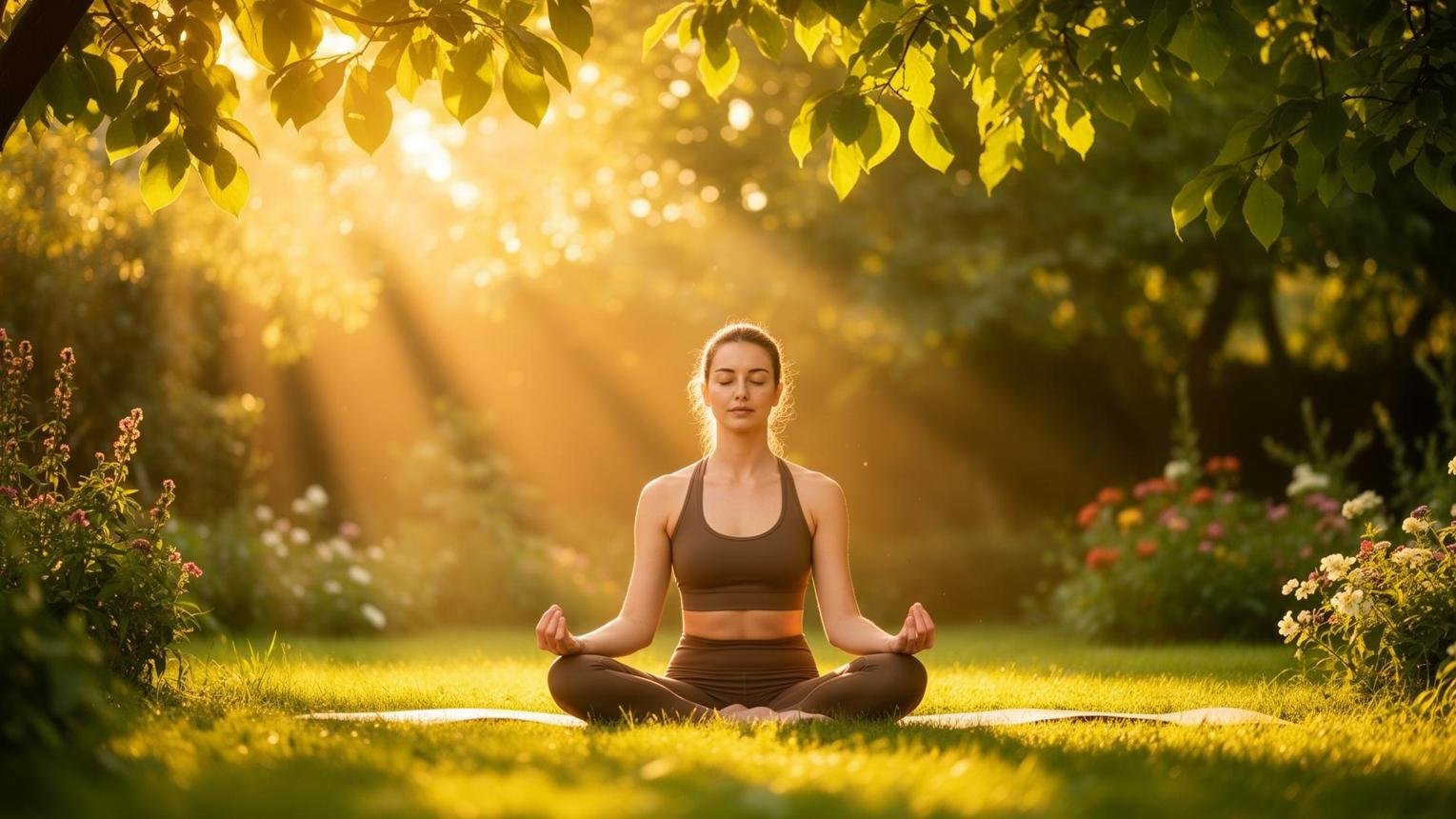
Mindfulness focuses on noticing present experiences without immediately judging them.
These practices can be used for relaxation, self-awareness, and reflection. Research suggests that some mindfulness-based programmes may support emotional well-being, although the evidence differs across conditions.
2. Prayer-Based Spiritual Healing
Prayer is an important practice in many religious traditions.
People may pray to express gratitude, seek guidance, reflect on personal challenges, or strengthen their relationship with their faith.
Some individuals also find comfort through group prayer and religious communities.
3. Reiki and Energy Healing

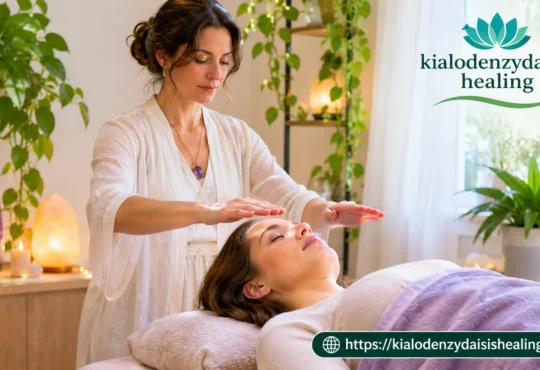
Reiki is a complementary practice that originated in Japan. Practitioners place their hands lightly on or just above a person while intending to support relaxation and well-being.
The practice is based on beliefs about energy, but scientific evidence has not established the existence of the proposed energy field. The National Center for Complementary and Integrative Health also reports that Reiki has not been clearly demonstrated to be effective for any health-related purpose.
It should never replace appropriate medical treatment.
4. Nature-Based Spiritual Practices
Some people experience spirituality through nature.
Walking through a forest, sitting beside a river, observing the sky, or spending quiet time outdoors can create opportunities for reflection.
Nature-based practices may encourage appreciation, mindfulness, and a stronger sense of connection with the environment.
5. Sound-Based Spiritual Practices
Sound-based practices include chanting, devotional music, singing, and listening to calming sounds.
In certain traditions, repetitive sounds or sacred words are used to support concentration and meditation.
People may find these activities relaxing or meaningful, although claims that specific frequencies can cure illnesses should be treated cautiously.
6. Yoga and Breath Awareness
Yoga combines physical postures, breathing exercises, and focused attention.
Some yoga traditions also include philosophical and spiritual teachings.
Breath awareness can help individuals develop a more mindful relationship with their bodies and everyday experiences. Physical activities should always be adapted to individual abilities.
7. Compassion and Service-Based Practices
Spiritual development is not limited to meditation or prayer.
Helping others, volunteering, showing kindness, practising forgiveness, and supporting a community are meaningful activities in many spiritual traditions.
These practices encourage individuals to express their values through everyday actions.
Useful Advice and Practical Tips for Spiritual Healing
A spiritual healing practice becomes more meaningful when it fits naturally into everyday life. Rather than following every available technique, individuals can focus on a few activities that support their personal values.
Here are some practical suggestions:
-
Start small: Begin with five to ten minutes of meditation, prayer, or quiet reflection.
-
Avoid comparisons: Spiritual development is personal and does not need to follow someone else’s experience.
-
Keep a journal: Write down thoughts, feelings, questions, and personal goals.
-
Spend time outdoors: Nature can provide a peaceful environment for reflection.
-
Practise forgiveness: Work towards letting go of resentment while maintaining healthy personal boundaries.
-
Build meaningful relationships: Spend time with people who respect different beliefs and encourage positive growth.
-
Maintain healthy habits: Regular sleep, balanced nutrition, physical activity, and social connection remain important.
-
Stay open-minded: Explore different traditions without feeling pressured to accept every spiritual claim.
How to Ask for Spiritual Healing
People who follow spiritual or religious traditions may seek spiritual healing through prayer, meditation, or guidance from a trusted spiritual community.
A simple approach is to express personal needs honestly and respectfully.
For example, someone might say:
“May I find peace, strength, and clarity as I work through the challenges in my life. Help me develop patience, understand my feelings, and make thoughtful decisions.”
People can also ask a trusted spiritual leader or practitioner about their approach, qualifications, methods, and any associated costs.
There is no required wording for asking for spiritual support. The intention is personal reflection, comfort, and guidance rather than a guaranteed physical or medical outcome.
Important Benefits and Applications of Spiritual Healing
Spiritual healing practices may contribute to several aspects of personal well-being. Their effects depend on the individual, the practice, and the surrounding circumstances.
1. Greater Self-Awareness
Reflection and mindfulness can help individuals recognise their emotional responses, personal values, and behaviour patterns.
This awareness may support better everyday decisions.
2. Emotional Comfort
Prayer, meditation, and spiritual community involvement may offer comfort during periods of uncertainty or personal difficulty.
Some individuals find that these activities give them time to process their experiences.
3. Improved Mindfulness
Mindfulness encourages people to pay attention to the present moment.
Practising this skill may help individuals become more aware of everyday experiences rather than reacting automatically to every situation.
4. A Stronger Sense of Purpose
Spiritual reflection often involves thinking about personal goals, responsibilities, relationships, and values.
These activities can help people identify what matters most in their lives.
5. Greater Social Connection
Participating in community activities, volunteering, or group spiritual practices can create opportunities to develop supportive relationships.
6. Support for Relaxation
Some spiritual practices, particularly meditation and gentle mindfulness exercises, may support relaxation and better sleep.
However, individual results differ, and these practices are not guaranteed treatments for sleep disorders or other medical conditions.
Why Spiritual Healing Matters in Everyday Life
Modern lifestyles often involve busy schedules, constant digital communication, academic or professional responsibilities, and personal expectations.
People may spend considerable time responding to external demands without giving themselves opportunities to reflect.
Spiritual practices can create a space for slowing down and considering personal priorities.
For example, a person who regularly feels overwhelmed may benefit from setting aside a few minutes each evening to reflect on the day, identify concerns, and consider what can be handled differently tomorrow.
Similarly, someone seeking greater meaning may explore volunteering, religious study, meditation, or spending more time with family.
The important point is that spiritual well-being does not depend on following a particular belief system. It can develop through meaningful activities, healthy relationships, self-reflection, and personal values.
It is equally important to recognise the limits of spiritual healing. It cannot guarantee recovery from physical illness, eliminate every emotional difficulty, or replace professional mental health support.
Common Mistakes and Challenges in Spiritual Healing
People exploring spiritual healing may encounter misunderstandings, unrealistic expectations, or practices that do not suit their needs.
Recognising these challenges helps create a more balanced approach.
Expecting Immediate Results
Spiritual growth is not a process with a fixed timeline. Expecting immediate peace or transformation can create unnecessary disappointment.
Better approach: Focus on small, realistic improvements in awareness and everyday habits.
Believing Every Spiritual Claim
Not every spiritual explanation has scientific support. Claims about miraculous cures, invisible energy fields, or guaranteed results should be evaluated carefully.
Better approach: Distinguish personal beliefs from established scientific evidence.
Depending Entirely on Spiritual Practices
Some people mistakenly believe spiritual healing can replace medical treatment.
Better approach: Use spiritual practices only as complementary activities. Consult qualified healthcare professionals about physical or mental health concerns.
Following Unqualified Practitioners
Not every person offering spiritual guidance has appropriate training or ethical standards.
Better approach: Choose practitioners who explain their methods, respect personal boundaries, and never promise guaranteed cures.
Ignoring Personal Boundaries
Spiritual activities should not involve pressure, fear, financial exploitation, or demands to abandon personal relationships.
Better approach: Maintain independence and choose practices that respect individual beliefs and well-being.
How to Create a Personal Spiritual Healing Routine
A personal routine does not need to be complicated. It should be practical, flexible, and suitable for an individual’s daily schedule.
The following example combines different spiritual healing practices into a simple routine.
A simple daily spiritual wellness routine
Mindful beginning
Spend five minutes focusing on comfortable breathing. Set one positive intention for the day.
Connection and awareness
Take a short break, enjoy nature, or perform a thoughtful act of kindness.
Reflection and gratitude
Write down meaningful moments, acknowledge challenges, and identify something to improve tomorrow.
The routine can be adjusted according to personal beliefs and preferences. Some individuals may prefer prayer, while others may choose meditation, journaling, or quiet reflection.
The goal is not to complete every activity perfectly. It is to develop a sustainable habit that encourages self-awareness and meaningful living.
Spiritual Quotes for Healing and Strength
Spiritual quotes can serve as reminders of patience, hope, compassion, and personal growth.
Here are some original reflections that can be used for journaling or daily inspiration:
-
“Peace begins when the mind makes room for understanding.”
-
“Healing is not about becoming someone else; it is about understanding oneself.”
-
“Strength grows when patience guides difficult moments.”
-
“A grateful heart can find meaning in ordinary experiences.”
-
“Every quiet moment offers an opportunity to reconnect with life.”
-
“Growth begins with the courage to understand what needs to change.”
-
“Kindness is one of the simplest ways to express spiritual values.”
-
“Inner peace is built through thoughtful choices, not perfect circumstances.”
These reflections are inspirational rather than religious teachings or scientific statements.
Frequently Asked Questions About Spiritual Healing
1. What is spiritual healing in simple words?
Spiritual healing is a personal approach to exploring inner peace, meaning, emotional awareness, and connection. It may involve meditation, prayer, mindfulness, nature, or other spiritual practices.
2. What are the main types of spiritual healing?
Common approaches include meditation, prayer, Reiki, nature-based practices, sound-based practices, yoga, breath awareness, and compassion-based activities. These approaches have different cultural and spiritual backgrounds.
3. How can someone start practising spiritual healing?
Beginners can start with a few minutes of meditation, prayer, gratitude journaling, or quiet reflection. The most suitable practice is one that feels comfortable and aligns with personal beliefs.
4. How to ask for spiritual healing?
A person can ask for spiritual support through personal prayer, meditation, or guidance from a trusted spiritual community. They can express their needs honestly and request strength, clarity, comfort, or guidance.
5. Can spiritual healing improve emotional well-being?
Spiritual practices may support reflection, mindfulness, and emotional comfort. Some mindfulness-based approaches have research supporting their use for certain aspects of mental well-being, although results vary.
6. Is spiritual healing connected to religion?
Not necessarily. Some spiritual healing practices are rooted in religious traditions, while others focus on meditation, nature, personal values, and self-awareness without requiring religious beliefs.
7. How long does spiritual healing take?
There is no fixed timeline. Spiritual development is a personal process, and people may experience different levels of meaning, comfort, and personal growth over time.
8. Is Reiki the same as spiritual healing?
No. Reiki is one complementary practice associated with energy healing. Spiritual healing is a broader term that includes several different approaches and traditions.
9. Can spiritual healing replace medical treatment?
No. Spiritual practices should not replace medical diagnosis, prescribed treatment, or professional healthcare. Anyone experiencing ongoing physical or emotional health concerns should seek appropriate professional support.
10. What is the best spiritual healing practice for beginners?
Meditation, mindfulness, gratitude journaling, and personal prayer are accessible starting points. There is no universally best method; the choice depends on individual comfort, beliefs, and preferences.
Conclusion
Spiritual healing is a broad concept that encourages individuals to explore inner peace, personal values, emotional awareness, and a deeper sense of connection. Its different approaches include meditation, prayer, Reiki, yoga, nature-based activities, and compassionate actions.
Understanding the different types of spiritual healing helps people choose practices that match their beliefs and personal goals. Starting with simple habits such as mindfulness, gratitude, and reflection can make spiritual exploration more manageable.
The most important consideration is maintaining realistic expectations. Spiritual practices may complement a healthy lifestyle and provide personal meaning, but they should never replace evidence-based medical or mental health care.
Kialodenzydaisis Healing encourages readers to approach spiritual well-being with curiosity, balance, and respect for individual beliefs. A meaningful practice begins with understanding oneself and making thoughtful choices in everyday life.