

Quantum Healing: Meaning, Techniques & Energy Healing Explained
People often explore holistic wellness practices when they want to understand the connection between their thoughts, emotions, physical health, and overall well-being. Among these approaches, quantum healing has attracted attention for its focus on consciousness, energy, meditation, and the mind-body connection.
But what is quantum healing, and how does it relate to traditional energy healing practices? The term is commonly used to describe complementary wellness approaches that draw inspiration from quantum physics and the belief that mental awareness, intention, and personal experiences influence overall well-being.
Although quantum healing is discussed in many holistic wellness communities, it is important to understand that it is not an established medical treatment. Scientific evidence has not demonstrated that quantum healing can cure diseases or that the proposed energy mechanisms work as described by practitioners.
At Kialodenzydaisis Healing, understanding different approaches to holistic wellness begins with separating traditional beliefs, personal experiences, and scientific evidence.
This guide explores the meaning of quantum healing, its commonly used techniques, potential wellness applications, and practical considerations for anyone interested in learning more about energy-based practices.
What Is Quantum Healing?
Quantum healing is a complementary wellness concept that connects ideas about consciousness, energy, mental awareness, and the relationship between the mind and body.
The approach is based on the belief that a person’s mental and emotional state can influence their overall experience of well-being. Practitioners may incorporate meditation, breathing exercises, visualization, relaxation, and focused intention into their sessions.
The word “quantum” comes from quantum physics, a branch of science that studies the behavior of matter and energy at very small scales, including atoms and subatomic particles.
However, the use of quantum terminology in holistic healing does not mean that these practices are scientifically established applications of quantum mechanics.
Understanding the Basic Concept
Quantum healing is generally discussed through three interconnected ideas:
- Mind-body connection: Mental and emotional experiences can influence how a person feels physically.
- Energy awareness: Some holistic traditions believe that the body has an energetic system that contributes to overall balance.
- Conscious intention: Meditation, visualization, and focused attention are used to encourage relaxation and personal awareness.
These ideas form the foundation of how many practitioners describe quantum healing.
It is worth remembering that the proposed subtle energy mechanisms have not been scientifically established. Some individual practices, such as meditation and relaxation exercises, can be useful wellness activities without requiring quantum explanations.
A Brief Background of Quantum Healing
The term became widely associated with Deepak Chopra’s 1989 book Quantum Healing: Exploring the Frontiers of Mind/Body Medicine.
The book explored relationships between consciousness, traditional healing philosophies, and modern scientific ideas.
Over time, different wellness practitioners began using the term to describe approaches involving energy awareness, guided meditation, breathing techniques, and spiritual exploration.
Today, quantum healing does not refer to one standardized treatment. Its meaning and methods can vary considerably between practitioners.
What Makes Quantum Healing Different From Traditional Energy Healing?
Quantum healing and traditional energy healing share some similarities, particularly their interest in the relationship between mental awareness, relaxation, and personal well-being.
However, they are not necessarily the same practice.
Traditional energy healing approaches often originate from cultural or spiritual traditions. Quantum healing, meanwhile, frequently uses modern scientific terminology to explain broader mind-body and consciousness-based ideas.
Here are some important differences:
| Aspect | Quantum Healing | Traditional Energy Healing |
|---|---|---|
| Main focus | Consciousness and mind-body awareness | Energy balance and relaxation |
| Common methods | Visualization, meditation, intention | Reiki, Healing Touch, energy awareness |
| Background | Modern holistic wellness philosophy | Various cultural and spiritual traditions |
| Scientific status | Not an established medical treatment | Evidence varies by individual practice |
| Main purpose | Personal wellness and self-awareness | Relaxation and spiritual well-being |
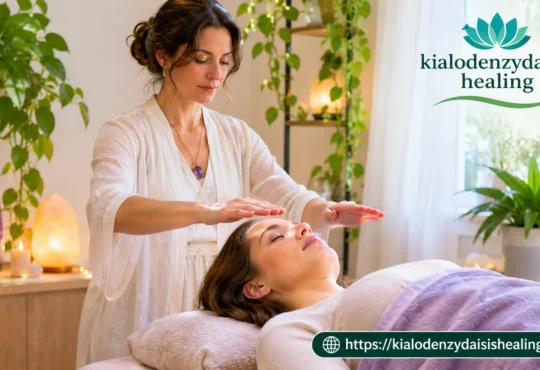
For example, Reiki is a complementary practice in which practitioners place their hands lightly on or above a person with the intention of facilitating an energy-based healing response.
According to the National Center for Complementary and Integrative Health (NCCIH), there is no scientific evidence supporting the existence of the energy field proposed in Reiki.
Understanding these differences helps readers explore holistic practices without confusing spiritual explanations with established medical science.
How Can Quantum Healing Support Personal Wellness?
People interested in quantum healing often explore it as part of a broader wellness routine.
Rather than viewing it as a treatment for physical or mental health conditions, it is more appropriate to understand its commonly used relaxation and mindfulness components.
1. Encouraging Relaxation
Meditation and controlled breathing can help people slow down and create time for relaxation.
A quiet environment, comfortable position, and guided breathing exercise may help someone temporarily step away from everyday distractions.
2. Developing Mindfulness
Mindfulness involves paying attention to present experiences without immediately judging them.
People who practice mindfulness may become more aware of their thoughts, emotions, and reactions.
This awareness can help them make more thoughtful decisions about everyday habits and personal well-being.
3. Exploring Emotional Awareness
Some quantum healing sessions include guided visualization and reflective exercises.
These activities may encourage participants to recognize their emotions and identify experiences that influence their mood.
They should not be considered substitutes for professional mental health support.
4. Supporting a Balanced Wellness Routine
Relaxation, adequate sleep, physical activity, healthy nutrition, and meaningful social connections all contribute to general well-being.
Some people include meditation or energy-based practices alongside these established wellness habits.
A Beginner’s Guide to Understanding Quantum Healing
Anyone interested in quantum healing can begin by learning about its principles and exploring simple mindfulness activities.
There is no universally accepted quantum healing procedure, but the following steps provide a practical introduction to its commonly associated wellness techniques.
Step 1: Understand the Basic Principles
Start by learning about the mind-body connection, meditation, consciousness, and traditional energy healing philosophies.
It is equally important to understand the difference between scientific quantum physics and the spiritual interpretations sometimes used in wellness discussions.
Step 2: Create a Comfortable Environment
Choose a quiet and comfortable place where distractions are limited.
A peaceful environment can make meditation and relaxation exercises easier to follow.
Step 3: Practice Mindful Breathing
Begin with natural, comfortable breathing.
Pay attention to the movement of the breath without forcing it or trying to achieve a particular result.
When attention moves toward other thoughts, gently bring it back to the present moment.
Step 4: Explore Guided Visualization
Guided visualization involves creating peaceful mental images.
For example, someone might imagine a quiet garden, a beautiful natural landscape, or another relaxing environment.
The purpose is to encourage calmness and focused attention rather than claim that visualization can directly repair physical conditions.
Step 5: Reflect on Personal Experiences
After a meditation or visualization session, take a moment to consider how the experience felt.
Some people find journaling helpful for recording their thoughts, emotional experiences, and relaxation habits.
Step 6: Maintain Healthy Daily Habits
Mindfulness practices work best as part of a broader approach to well-being.
Regular sleep, balanced meals, enjoyable physical activity, and appropriate healthcare remain important.
Different Quantum Healing Techniques
Quantum healing is an umbrella term rather than a single standardized method. Different practitioners may combine several techniques depending on their training and wellness philosophy.
The following are commonly associated practices.
1. Meditation and Mindfulness
<PRIVATE_PERSON> Meditation and mindfulness are commonly included in holistic wellness routines.
These practices involve focusing attention on breathing, present experiences, or a particular point of awareness.
Regular mindfulness practice may help individuals develop greater awareness of their thoughts and emotional responses.
2. Guided Visualization
Guided visualization uses mental imagery to encourage relaxation and concentration.
A practitioner may guide someone through an imagined peaceful environment or a positive personal experience.
It is also used independently as a relaxation technique.
3. Breathwork
Breathwork refers to different exercises that involve paying attention to or deliberately regulating breathing patterns.
Gentle breathing exercises can be incorporated into meditation and relaxation sessions.
People should avoid uncomfortable breathing patterns, prolonged breath-holding, or exercises that cause dizziness.
4. Energy Awareness Practices
Some practitioners describe their sessions as helping participants become more aware of their body’s energy.
These activities may include meditation, gentle hand movements, or focused attention.
The idea of manipulating a subtle energy field through these methods remains unproven scientifically.
5. Reiki-Inspired Practices
Some quantum healing practitioners incorporate elements associated with Reiki.
These sessions may involve gentle touch or hands positioned above the body.
Reiki is generally considered a complementary wellness practice rather than a scientifically established treatment for medical conditions.
6. Focused Intention
Focused intention involves identifying a personal goal and directing attention toward it.
For example, someone might establish an intention to become more mindful, develop healthier routines, or approach daily challenges with greater patience.
This can be used as a personal reflection exercise without assuming that thoughts directly change biological processes through quantum effects.
Useful Tips for Exploring Quantum Healing
A thoughtful approach can help people explore complementary wellness practices while maintaining realistic expectations.
Consider the following recommendations:
- Learn before participating: Understand the techniques and beliefs associated with a particular practice.
- Set realistic expectations: Do not expect an energy-based session to diagnose, treat, or cure a medical condition.
- Choose qualified professionals: Ask about a practitioner’s training, experience, and professional background.
- Respect personal boundaries: Any session should involve clear consent, especially when physical touch is included.
- Start with simple practices: Meditation, gentle breathing, and mindfulness are accessible starting points.
- Maintain medical care: Never discontinue prescribed medication or delay medical assessment because of a complementary healing approach.
- Evaluate personal experiences: Consider whether the practice feels comfortable, relaxing, and appropriate for individual wellness goals.
A responsible approach focuses on personal awareness rather than promises of extraordinary health outcomes.
Important Features and Potential Wellness Applications
Quantum healing sessions may combine several activities associated with holistic wellness.
Their actual content depends on the practitioner’s approach.
Some commonly described applications include:
Relaxation: Meditation and breathing exercises can provide an opportunity to relax during a busy day.
Self-awareness: Reflective activities can encourage people to pay attention to their thoughts, feelings, and personal habits.
Mindfulness: Focused attention can help individuals become more aware of their present experiences.
Personal development: Setting intentions can encourage reflection on personal priorities and lifestyle goals.
Spiritual exploration: Some people use energy-based practices as part of their personal spiritual beliefs.
These are potential wellness applications, not proven medical benefits of quantum healing itself.
Research on individual components such as meditation and relaxation should not be interpreted as proof that the entire quantum healing concept is effective.
Why Understanding the Mind-Body Connection Matters
The mind and body are closely connected through several biological processes.
Emotional experiences, stress, sleep patterns, and lifestyle habits can influence physical sensations and everyday functioning.
For example, a stressful day may affect sleep quality, appetite, concentration, or muscle tension.
Similarly, regular physical activity and adequate rest can contribute to better overall well-being.
Understanding these relationships helps explain why many wellness approaches include both mental and physical activities.
However, the mind-body connection should not be confused with claims that consciousness can directly control every biological process or cure diseases.
Quantum healing uses this connection as part of its broader philosophy, while established healthcare evaluates treatment approaches through scientific research and clinical evidence.
Common Mistakes and Misunderstandings About Quantum Healing
People exploring alternative wellness practices may encounter exaggerated claims or misunderstandings.
Recognizing these issues is important for making informed decisions.
Believing Quantum Healing Is Scientifically Proven
Quantum healing is not an established medical treatment.
The use of scientific terminology does not automatically make a wellness practice scientifically validated.
Confusing Quantum Physics With Spiritual Beliefs
Quantum mechanics studies physical systems at very small scales.
Its scientific principles should not be used as automatic evidence for claims about healing energy, consciousness, or disease recovery.
Expecting Immediate Results
There is no reliable evidence establishing a specific timeline or guaranteed outcome for quantum healing.
Personal experiences differ, and relaxation should not be confused with medical improvement.
Replacing Professional Healthcare
One of the most important mistakes is relying on alternative practices instead of appropriate medical care.
A qualified healthcare professional should evaluate persistent, severe, or unexplained symptoms.
Complementary wellness activities should never replace necessary diagnosis or treatment.
Trusting Guaranteed Healing Claims
Be cautious of practitioners who promise to cure serious illnesses, guarantee results, or discourage conventional healthcare.
Responsible wellness professionals communicate their limitations clearly.
How to Build a Personal Quantum-Inspired Wellness Routine
People interested in the mind-body connection can create a simple wellness routine using evidence-informed relaxation activities.
The following approach does not require special equipment or expensive sessions.
Step 1: Choose a personal wellness goal
Identify a realistic goal, such as developing a regular mindfulness habit or making more time for relaxation.
Step 2: Establish a regular time
Choose a convenient time for a short meditation or breathing session.
Consistency is generally more useful than trying to complete lengthy sessions occasionally.
Step 3: Include mindfulness activities
Practice paying attention to breathing, sounds, or present experiences.
A beginner can start with a few comfortable minutes.
Step 4: Add personal reflection
Write down thoughts, feelings, or experiences that stand out during the day.
This can help identify patterns in daily routines and emotional responses.
Step 5: Support the routine with healthy habits
Include adequate rest, nutritious meals, enjoyable movement, and time away from unnecessary distractions.
Step 6: Review progress realistically
Consider whether the routine helps with relaxation, concentration, or personal awareness.
Avoid judging success through unsupported claims about energy changes or disease recovery.
Is Quantum Healing Scientifically Supported?
This is an important question for anyone researching what is quantum healing.
At present, there is insufficient reliable clinical evidence to establish quantum healing as an effective treatment for physical or mental health conditions.
Some individual techniques used during sessions, including meditation, mindfulness, and relaxation, have been studied independently.
However, evidence supporting an individual relaxation technique does not establish the effectiveness of quantum healing as a complete practice.
The National Center for Complementary and Integrative Health provides useful information about complementary approaches such as Reiki.
Its review explains that Reiki has not been clearly shown to be effective for any health-related purpose and that scientific evidence does not support the proposed energy field.
Readers can explore the research at:
https://www.nccih.nih.gov/health/reiki
For additional guidance about evaluating complementary health practices, the NCCIH also provides safety information:
https://www.nccih.nih.gov/health/safety
The most sensible approach is to explore relaxation and mindfulness practices with realistic expectations while continuing to rely on qualified healthcare professionals for medical concerns.
Conclusion
Quantum healing is a broad holistic wellness concept that explores the relationship between consciousness, personal awareness, energy-based beliefs, and the mind-body connection.
Its commonly associated techniques include meditation, guided visualization, breathing exercises, focused intention, and energy awareness practices.
Although these activities may offer opportunities for relaxation and personal reflection, quantum healing itself has not been established as a scientifically proven medical treatment. Claims that quantum physics explains or guarantees physical healing should therefore be approached critically.
Anyone interested in exploring quantum healing can begin by learning about its principles, understanding the available evidence, and incorporating appropriate mindfulness activities into a balanced wellness routine.
At Kialodenzydaisis Healing, informed wellness choices begin with curiosity, practical knowledge, and a clear understanding of the difference between complementary practices and medical treatment.
Explore more holistic wellness topics at Kialodenzydaisis Healing: https://kialodenzydaisishealing.com/
Frequently Asked Questions About Quantum Healing
1. What is quantum healing in simple words?
Quantum healing is a holistic wellness concept that connects consciousness, mental awareness, energy-based beliefs, and the mind-body relationship. It commonly involves meditation, visualization, breathing exercises, and focused intention.
2. How does quantum healing work?
Practitioners describe quantum healing as an approach involving awareness, intention, and energy. Sessions may include meditation, relaxation, and visualization. However, the proposed quantum energy mechanisms have not been scientifically established.
3. What are the most common quantum healing techniques?
Commonly associated techniques include mindfulness meditation, guided visualization, breathwork, focused intention, Reiki-inspired practices, and energy awareness exercises.
4. Is quantum healing scientifically proven?
No. Quantum healing is not an established medical treatment, and reliable clinical evidence has not demonstrated that it can cure or treat diseases. Some individual techniques, such as meditation, have been studied separately.
5. What is the difference between quantum healing and Reiki?
Quantum healing is a broad wellness concept that uses ideas about consciousness and energy. Reiki is a specific complementary practice involving gentle touch or hands positioned above the body. Neither should be considered a replacement for medical treatment.
6. Can beginners explore quantum healing?
Yes. Beginners can learn about its philosophy and explore associated wellness activities such as meditation, mindfulness, and gentle breathing exercises. It is important to maintain realistic expectations.
7. How long does a quantum healing session take?
There is no standardized session length because quantum healing is not a regulated or standardized medical procedure. Session duration depends on the practitioner and the activities included.
8. Can quantum healing replace conventional medical treatment?
No. Quantum healing should never replace professional diagnosis, prescribed medication, or necessary medical treatment. Anyone experiencing health concerns should consult a qualified healthcare professional.
9. What is the role of meditation in quantum healing?
Meditation is commonly included because it encourages focused attention, present-moment awareness, and relaxation. These are mindfulness-related applications rather than evidence of quantum energy transfer.
10. Is quantum healing the same as quantum physics?
No. Quantum physics is an established scientific field that studies matter and energy at very small scales. Quantum healing uses some of its terminology in a holistic wellness context, but the proposed healing mechanisms are not established applications of quantum mechanics.






[…] Meditation involves directing attention towards a particular focus, such as breathing, a repeated phrase, or an object. […]