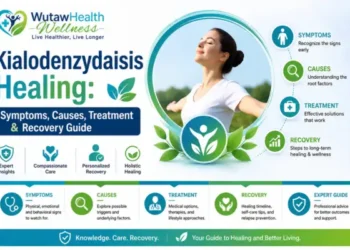


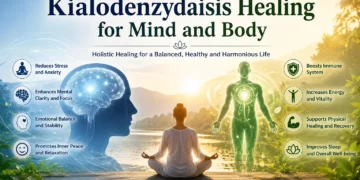
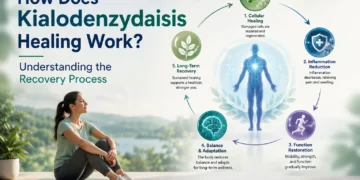


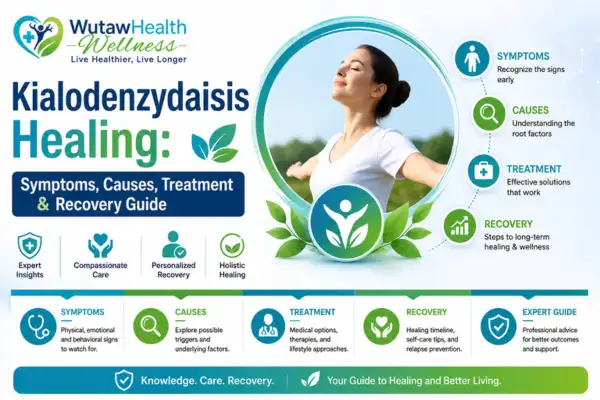
Kialodenzydaisis Healing: Symptoms, Causes, Treatment & Recovery Guide
In recent , the term Kialodenzydaisis Healing has started appearing across wellness blogs, alternative health communities, and social media discussions....
In recent , the term Kialodenzydaisis Healing has started appearing across wellness blogs, alternative health communities, and social media discussions. In today’s high-pressure and fast-moving world, many people struggle with unexplained fatigue, emotional exhaustion, and persistent health issues that often do not fit into a clear medical diagnosis. These problems are frequently dismissed as simple stress, burnout, or the natural effects of aging, leaving many individuals frustrated and unheard.
As curiosity around this mysterious term continues to grow, many people are asking the same question: What is Kialodenzydaisis? Is it a genuine health condition, a holistic healing concept, or simply another viral wellness trend? In this article,
we’ll explore everything you need to know about Kialodenzydaisis Healing including , commonly symptoms, main causes, and the medical perspective surrounding this emerging topic. and how to approach holistic wellness safely.
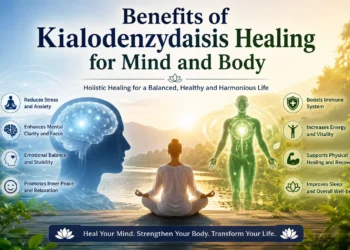
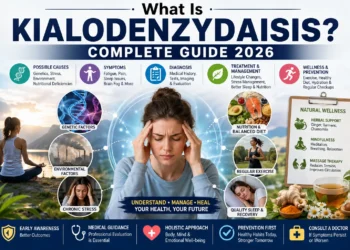
In simple terms, Kialodenzydaisis is a wellness-related term often used in holistic and alternative health communities to describe a long-term imbalance within the body and mind. It is commonly associated with symptoms such as chronic fatigue, mental fog, irritability, low energy levels, emotional exhaustion, and weakened immunity.
However, it is important to understand that Kialodenzydaisis is not officially recognized as a medical diagnosis in conventional medicine healthcare. Instead, the term is generally used as a holistic wellness concept that represents a combination of physical, emotional, and mental symptoms believed to be triggered by stress, unhealthy lifestyle habits, and modern-day lifestyle.
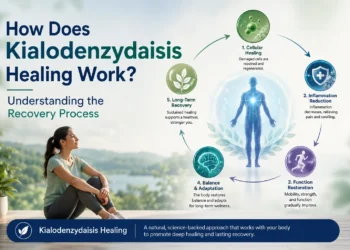
Some Proponents describe Kialodenzydaisis Healing it as a condition linked to imbalances in the body’s internal systems, including emotional wellbeing, nervous system regulation, and energy flow . In this perspective, the goal is not curing a disease but restoring balance through mindfulness, emotional release, stress reduction, and self-awareness.
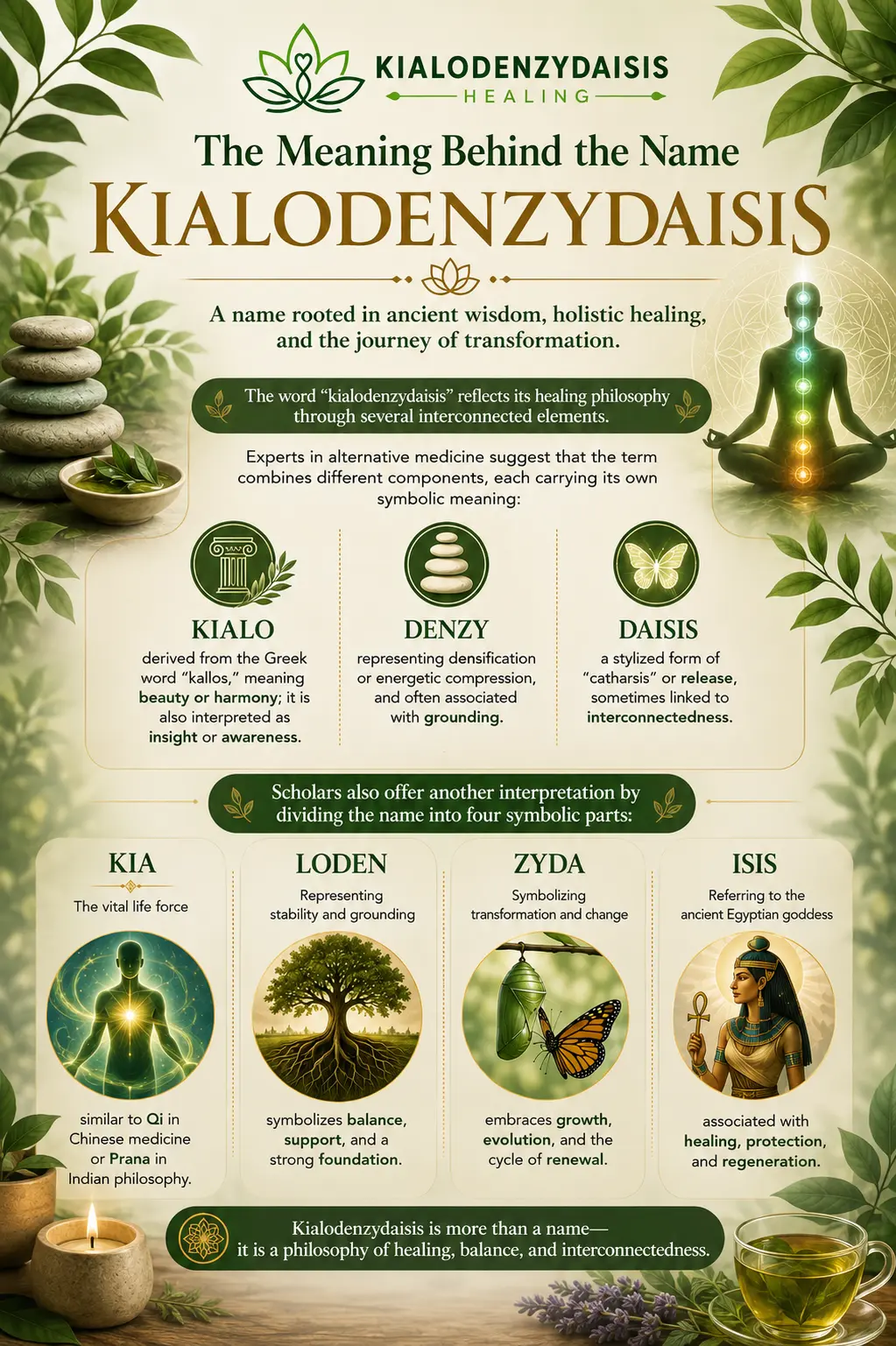 The word “kialodenzydaisis” reflects its healing philosophy through several interconnected elements. Experts in alternative medicine suggest that the term combines different components, each carrying its own symbolic meaning:
Scholars also offer another interpretation by dividing the name into four symbolic parts:
Together, these elements give kialodenzydaisis the meaning of “the coordinated release of dense energetic patterns” or, more broadly, “the anchoring of life force through transformational healing.” This interpretation reflects the practice’s aim of restoring clarity, balance, energetic flow, and higher consciousness.
The popularity of Kialodenzydaisis Healing reflects modern wellness culture. Today’s world is fast, digitally overloaded, and emotionally demanding. Many people struggle with:
Traditional healthcare often focuses primarily on physical symptoms. Meanwhile, many individuals are searching for approaches that also address emotional wellbeing, mindfulness, and stress regulation.
This is where holistic healing trends gain attention. Kialodenzydaisis Healing appeals to people because it promises:
Several wellness websites compare it to practices such as meditation, Reiki, breathwork, chakra balancing, somatic therapy, and mindfulness-based healing systems. For many followers, the attraction is not necessarily about “magic healing.” Instead, it is about slowing down, reconnecting emotionally, and reducing psychological overload.
Kialodenzydaisis is commonly described as a state of physical, mental, and emotional imbalance that develops gradually due to chronic stress, unhealthy routines, emotional exhaustion, and lifestyle pressure. People who discuss Kialodenzydaisis in holistic wellness communities often explain it as a condition that affects both the body and the mind, leading to persistent fatigue and a feeling of being emotionally drained.
Although it is not recognized as an official medical diagnosis, many individuals associate Kialodenzydaisis with symptoms that can interfere with daily life and overall wellbeing.
Some of the most commonly experiences include:
In many cases, people describe Kialodenzydaisis as feeling mentally overwhelmed while also experiencing physical exhaustion. Holistic wellness practitioners believe these symptoms may result from long-term stress disrupting the body’s natural balance and emotional stability.
From a medical perspective, however, these symptoms may also be connected to conditions such as anxiety, burnout, sleep disorders, nutritional deficiencies, or chronic stress rather than a separate illness called Kialodenzydaisis. That is why proper medical evaluation is important whenever symptoms become severe or long-lasting.
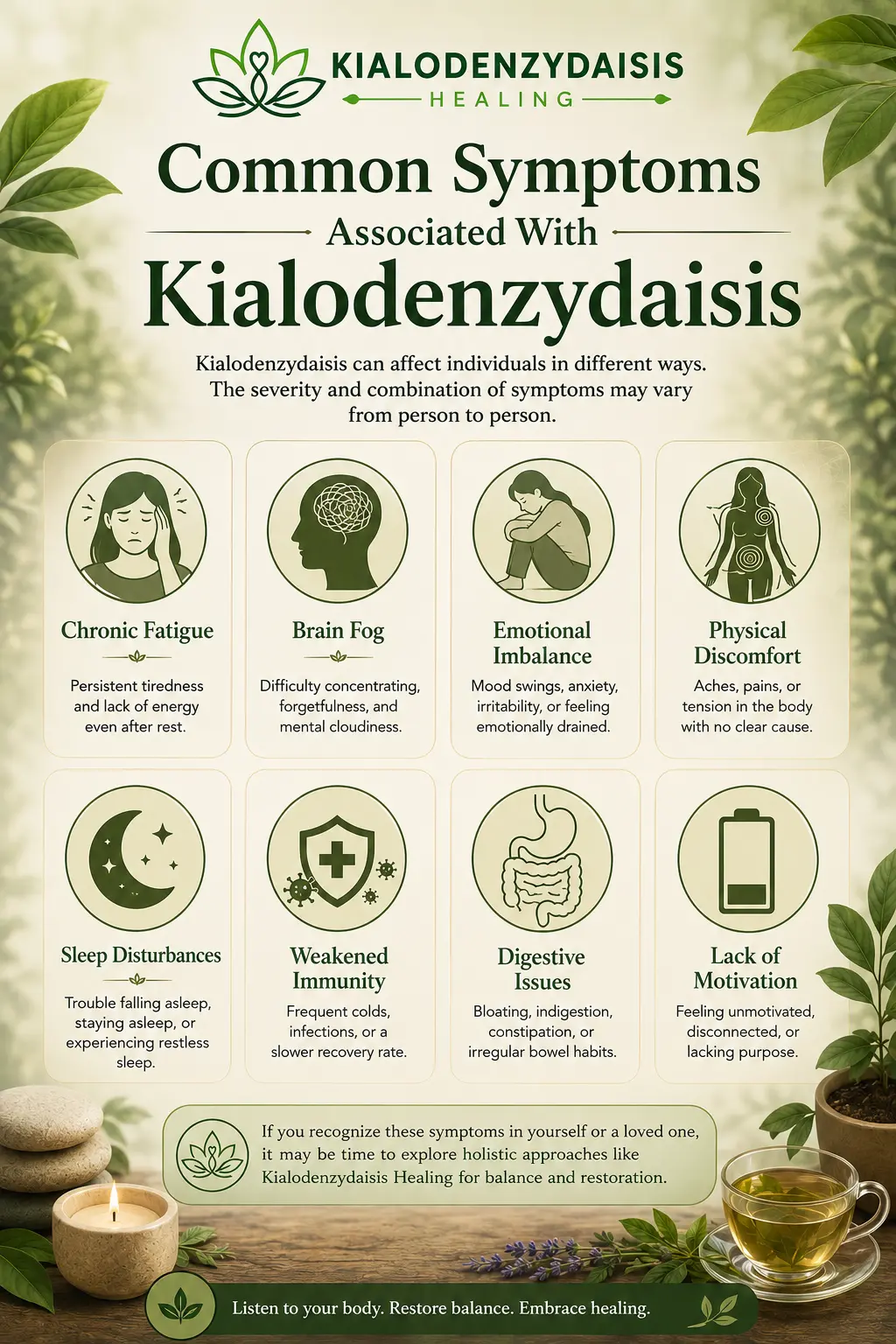 Although there is no clinical diagnosis for Kialodenzydaisis, wellness discussions repeatedly mention certain recurring symptoms.
People often describe:
These symptoms resemble what many people experience during burnout or prolonged emotional stress.
Some discussions connect Kialodenzydaisis with:
Several websites specifically mention chronic fatigue and brain fog as common experiences.
Holistic wellness communities often interpret symptoms in spiritual terms, including:
These ideas are philosophical and symbolic rather than scientifically measurable.
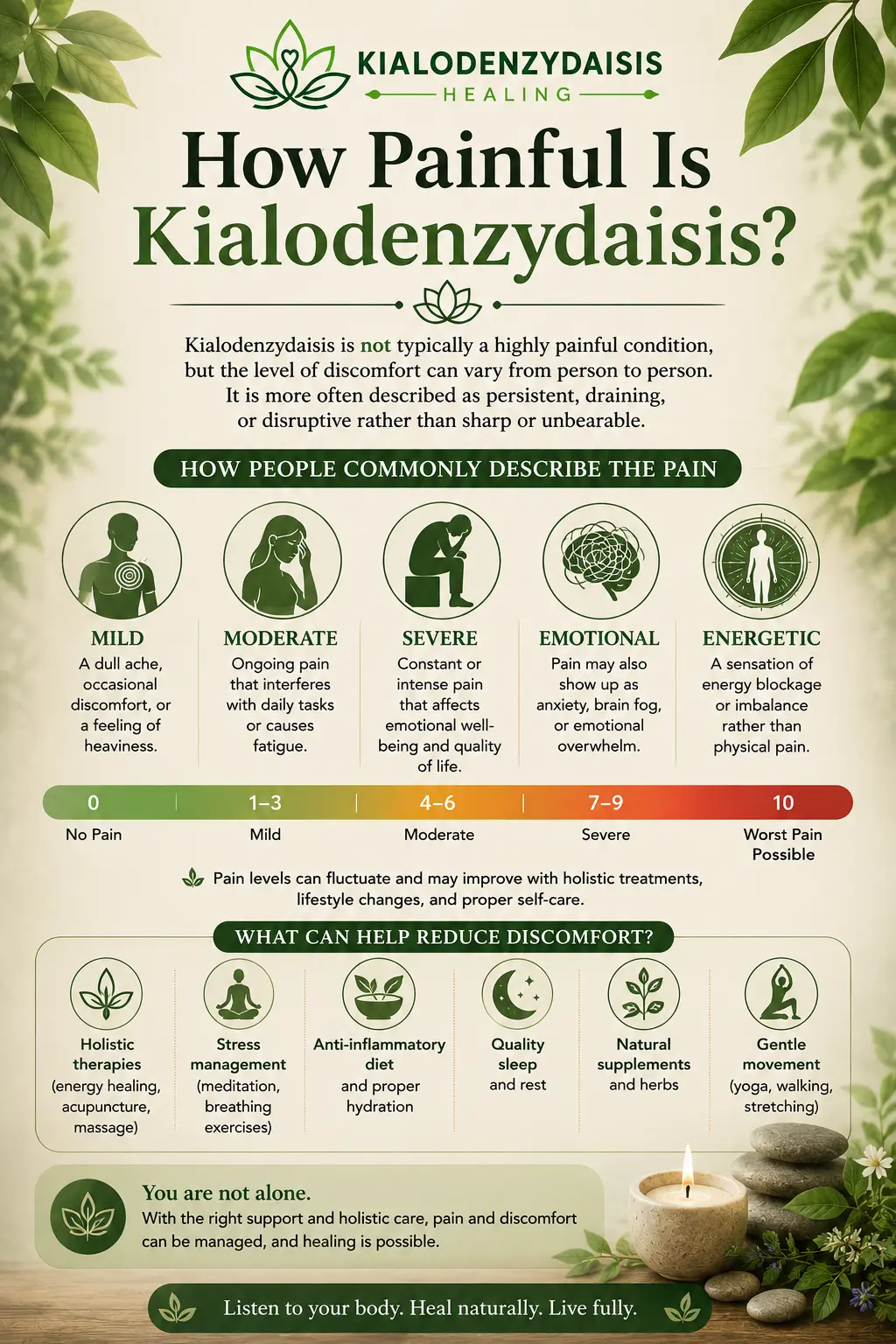 Kialodenzydaisis is not recognized as a medical condition, so its “pain level” cannot be measured in a clinical or standardized way. Instead, people who use this term in holistic wellness communities usually describe the discomfort in emotional and psychological terms rather than as a single, clearly defined physical pain.
For many individuals, the experience associated with Kialodenzydaisis is described as a mix of persistent fatigue, mental overload, and emotional heaviness. Rather than sharp or localized physical pain, it is often explained as a constant sense of exhaustion that affects both the mind and body.
Common symptoms include:
Some people may also report physical symptoms like muscle tightness, low energy, or stress-related aches. However, these experiences are often linked to broader issues such as chronic stress, anxiety, burnout, or poor sleep rather than a distinct condition called Kialodenzydaisis.
From a medical standpoint, pain and discomfort of this nature are usually associated with stress-related health conditions, which can vary widely from person to person. That means the intensity is subjective—what feels mild for one person may feel overwhelming for another.
Because of this, it is more accurate to view Kialodenzydaisis not as a specific pain condition, but as a descriptive term people use to explain ongoing emotional and physical strain in everyday life.
Holistic wellness communities often connect Kialodenzydaisis to multiple underlying factors.
Stress is considered one of the biggest triggers.
Long-term emotional pressure may affect:
Alternative wellness philosophies view stress as a disruption to the body’s natural balance.
Some interpretations suggest unresolved emotional trauma creates energetic or psychological blockages that affect wellbeing.
Practices such as journaling, emotional release exercises, and meditation are often recommended to process these emotions.
Modern lifestyles expose people to:
Wellness advocates argue this keeps the nervous system in a constant state of tension.
Holistic wellness discussions often connect Kialodenzydaisis with:
Although the terminology may vary, healthy lifestyle improvements genuinely support overall wellbeing.
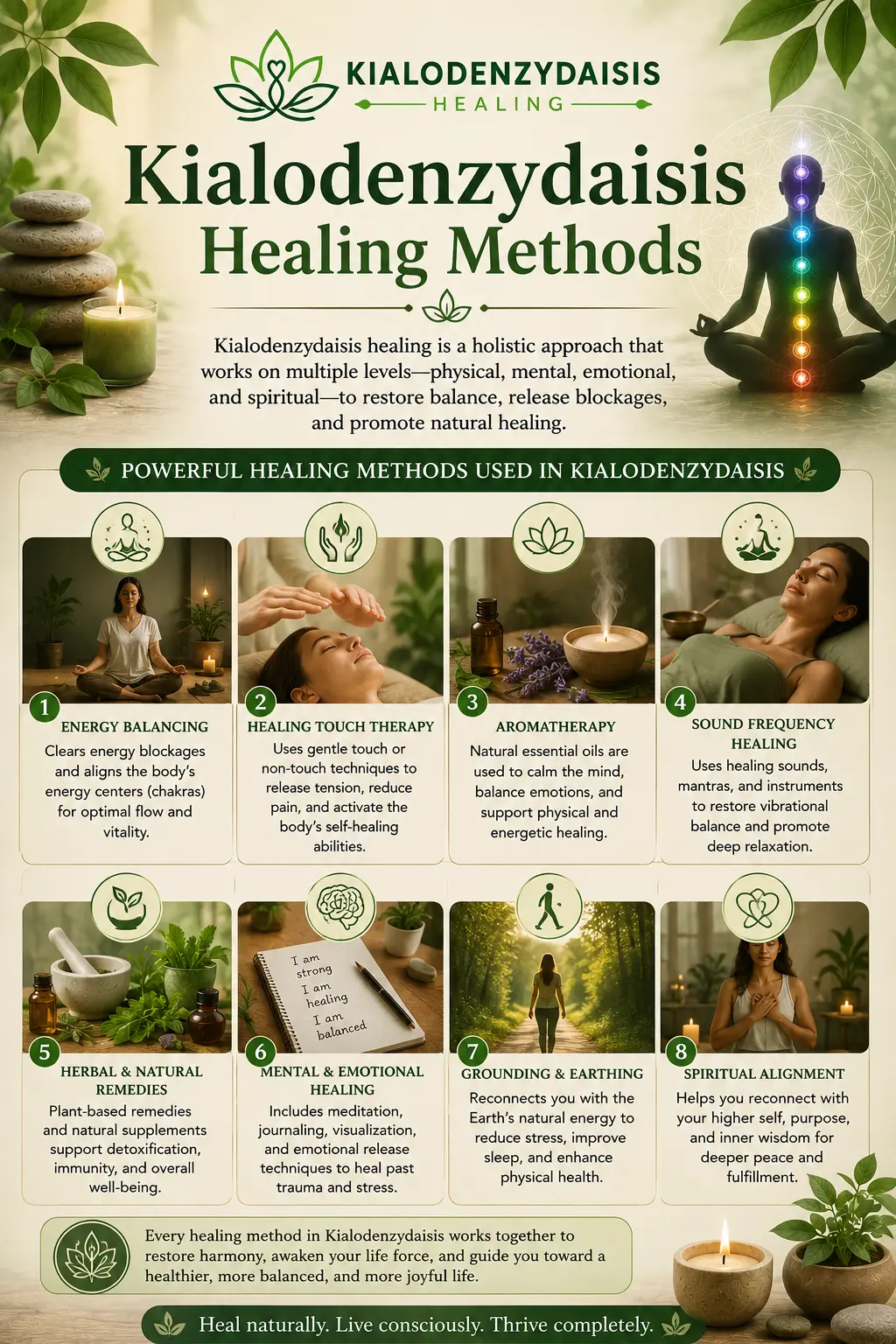 People practicing Kialodenzydaisis Healing typically combine several wellness techniques.
Meditation is one of the most common practices connected with Kialodenzydaisis Healing.
Benefits may include:
Meditation itself is supported by growing scientific evidence for stress management and emotional wellbeing.
Breathing exercises are frequently recommended to calm the nervous system.
Popular techniques include:
Breathwork may help reduce anxiety and improve emotional control.
Some practitioners combine Kialodenzydaisis Healing with:
Scientific support for these practices remains limited, but some individuals report relaxation and emotional comfort from them.
Emotional healing is a major focus.
Common practices include:
These methods encourage self-awareness and emotional reflection.
Some wellness blogs recommend anti-inflammatory eating approaches involving:
Several discussions also focus on gut health and digestion
There is no officially approved medicine specifically designed for Kialodenzydaisis because it is not recognized as a medical disease.
However, people experiencing stress-related symptoms may benefit from evidence-based healthcare approaches such as:
In some cases, doctors may prescribe medication for anxiety, depression, or sleep disorders if clinically appropriate.
People should be cautious of anyone selling “miracle cures,” expensive detox programs, or unverified healing supplements marketed specifically for Kialodenzydaisis.
Not all wellness advice online is safe.
Some articles specifically warn readers that Kialodenzydaisis may simply be a buzzword used to market alternative wellness services.
Holistic wellness can support wellbeing, but it should never replace evidence-based medical care.
Currently, there is no scientific evidence confirming Kialodenzydaisis as an established medical condition or validated healing system.
However, some practices associated with it including meditation, mindfulness, breathwork, and stress reduction do have scientific support for improving emotional wellbeing and mental health.
This distinction matters.
Healthy practices can be beneficial without validating exaggerated claims.
People are naturally drawn toward healing systems that promise emotional comfort and inner peace.
Many individuals feel unheard, emotionally overwhelmed, or disconnected from themselves. Wellness concepts like Kialodenzydaisis Healing offer:
In a stressful world, these ideas become emotionally attractive.
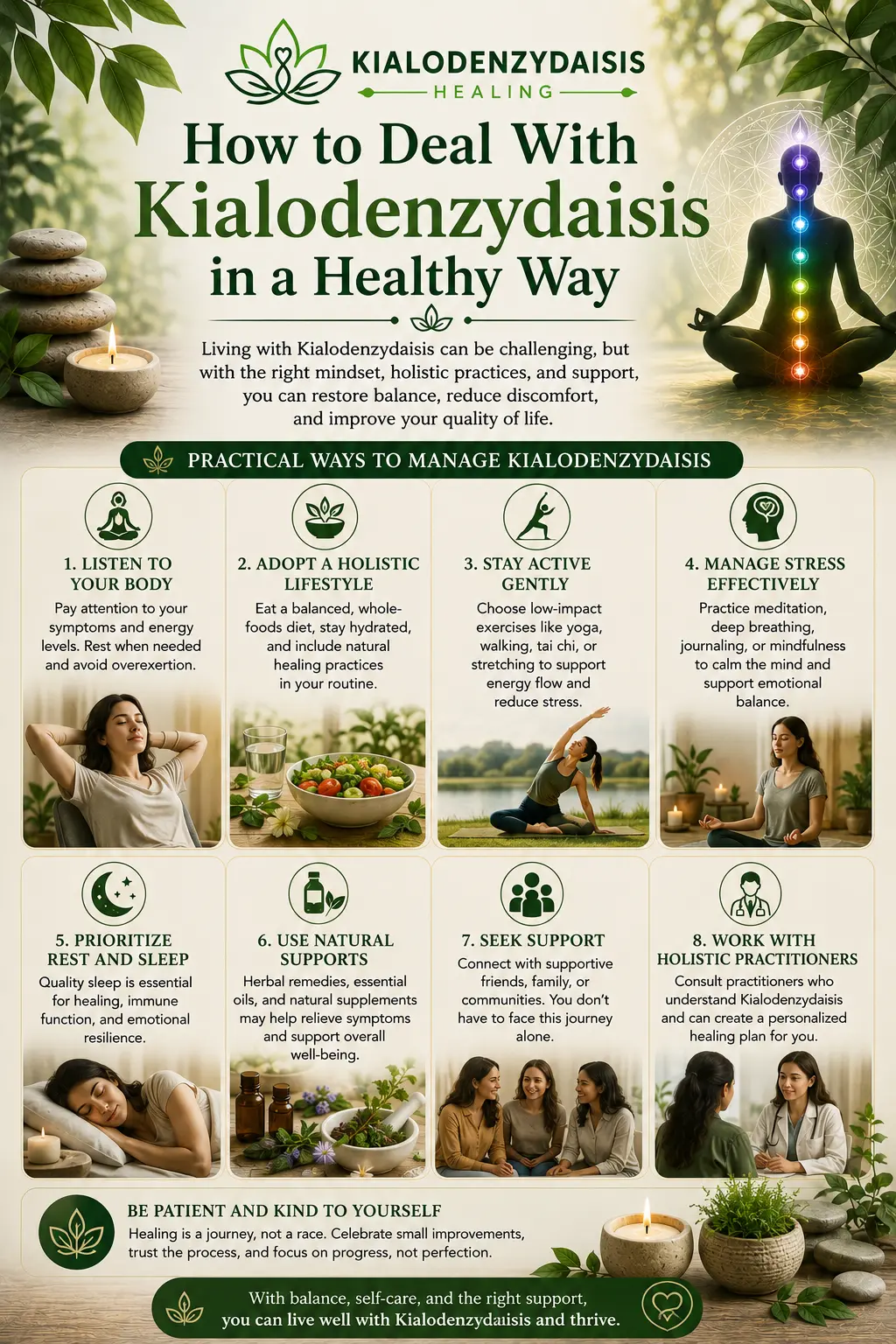 If you feel emotionally exhausted or mentally overwhelmed, healthy self-care matters more than internet trends.
Prioritize Sleep : Sleep strongly affects emotional and physical recovery.
Reduce Digital Stress: Limiting constant online stimulation can improve mental clarity.
Practice Daily Mindfulness : Even short mindfulness sessions may reduce stress.
Stay Physically Active: Movement supports both physical and mental health.
Build Emotional Support: Strong social relationships improve emotional resilience.
Seek Professional Help: Doctors, therapists, and psychologists provide evidence-based care when symptoms become serious.
Kialodenzydaisis Healing reflects a larger cultural shift toward holistic wellness, emotional awareness, and mind-body healing.
Even if the term itself lacks scientific legitimacy, the emotions behind the trend are real.
People today are searching for:
That is why wellness trends like this continue spreading online.
Kialodenzydaisis Healing is best understood as an internet-driven holistic wellness concept rather than a scientifically recognized medical treatment. Online discussions describe it as a combination of emotional healing, mindfulness, energy balancing, and stress reduction practices.
While many practices connected with it — such as meditation, breathwork, mindfulness, and healthy lifestyle habits — may genuinely support wellbeing, exaggerated healing claims should always be approached carefully.
There is no verified medical evidence proving Kialodenzydaisis is a real disease or that specific “healing systems” can cure it instantly. However, the trend highlights something important about modern society: many people are emotionally exhausted and searching for healthier ways to reconnect with themselves.
The healthiest approach combines:
True healing is rarely about magic solutions. It usually comes from consistent self-care, emotional support, healthy habits, and realistic expectations.
1. What is Kialodenzydaisis Healing?
Kialodenzydaisis Healing is a holistic wellness practice focused on spiritual, emotional, and energy-based healing techniques.
2. What types of healing services do you offer?
We offer energy healing, meditation guidance, chakra balancing, spiritual counseling, and holistic wellness sessions.
3. How does energy healing work?
Energy healing works by balancing the body’s natural energy flow to promote emotional clarity, stress relief, and overall well-being.
4. Is Kialodenzydaisis Healing suitable for everyone?
Yes, our healing methods are safe, non-invasive, and suitable for individuals seeking mental, emotional, and spiritual balance.
5. Do I need prior experience in meditation or spirituality?
No prior experience is required. Our sessions are designed for both beginners and advanced practitioners.
6. How long does a healing session last?
A typical session lasts between 45 to 60 minutes, depending on the selected service.
7. Are online healing sessions available?
Yes, we offer both in-person and virtual healing sessions for your convenience.
8. What benefits can I expect from a healing session?
Clients often experience reduced stress, emotional release, improved focus, inner peace, and increased positive energy.
9. How often should I take healing sessions?
Frequency depends on individual needs, but many clients benefit from weekly or bi-weekly sessions.
In recent , the term Kialodenzydaisis Healing has started appearing across wellness blogs, alternative health communities, and social media discussions....
If you are searching for honest amaira natural lightening serum reviews, you have probably noticed how popular intimate skin brightening...





When people search for medicine for kialodenzydaisis healing, they often want to know whether there is a specific drug or...
The history and origins of kialodenzydaisis healing have become a subject of growing interest among individuals seeking holistic approaches to...
The journey of kialodenzydaisis healing goes beyond simply managing symptoms. Many people focus on healing to improve their overall quality...
Many people searching for information about kialodenzydaisis healing want to know whether recovery is possible and what steps may help...
If you have recently come across the term kialodenzydaisis, you are not alone. Interest in this topic has grown significantly,...

Welcome to Kialodenzydaisishealing.com — a platform focused on spiritual healing, mindfulness, wellness, and personal growth. We share inspiring content to help people find balance, positivity, inner peace, and a healthier lifestyle naturally.