
Many people search for holistic healing because they want to explore natural wellness practices, manage everyday stress, improve their lifestyle, or understand complementary approaches to healthcare. However, there is also confusion about what holistic healing can actually achieve and whether every holistic treatment is scientifically supported.
Understanding what is holistic healing requires looking at both its potential benefits and its limitations. Some practices, such as mindfulness, yoga, and relaxation techniques, may support general well-being. Others have limited scientific evidence, and some claims made about alternative treatments are not supported by reliable research.
This guide for Kialodenzydaisis Healing explores the meaning of holistic healing, its different types, commonly used techniques, potential benefits, practical applications, and important limitations. It also explains how to approach holistic wellness responsibly without overlooking conventional medical care.
What Is Holistic Healing?
Holistic healing is a broad approach to health that considers the relationship between the body, mind, emotions, lifestyle, and surrounding environment. The word holistic refers to looking at something as a complete whole rather than examining its individual parts separately.
In healthcare, this approach recognizes that physical health can be influenced by several interconnected factors, including:
-
Physical health: Nutrition, movement, sleep, physical activity, and general body functioning.
-
Mental health: Thoughts, concentration, mental well-being, and the ability to manage everyday challenges.
-
Emotional health: Understanding emotions, developing healthy coping skills, and maintaining emotional balance.
-
Social well-being: Relationships, family connections, community support, and social interactions.
-
Environmental health: Living conditions, surroundings, access to nature, and everyday environmental influences.
The National Center for Complementary and Integrative Health (NCCIH) describes whole-person health as an approach that considers biological, behavioral, social, and environmental factors rather than focusing exclusively on individual organs or diseases.
Holistic healing does not refer to one specific treatment. It includes different wellness philosophies, traditional practices, lifestyle approaches, and complementary therapies.
Its central idea is that supporting overall well-being involves understanding how different aspects of life work together.
What Makes Holistic Healing Different From Conventional Healthcare?
The main difference is the perspective used to understand health and wellness.
Conventional healthcare generally focuses on diagnosing, preventing, and treating specific medical conditions through methods supported by clinical research. Depending on the condition, this may involve medication, surgery, physical rehabilitation, or other medical interventions.
Holistic approaches place additional attention on lifestyle, emotional well-being, stress management, and environmental influences.
For example, someone experiencing recurring stress may benefit from professional guidance alongside healthy sleep habits, relaxation exercises, regular physical activity, and supportive relationships.
These approaches do not need to compete with conventional medicine.
It is important to understand three related terms:
| Approach | Meaning |
|---|---|
| Complementary care | Used alongside conventional medical treatment. |
| Alternative care | Used instead of conventional medical treatment. |
| Integrative healthcare | Combines appropriate conventional and complementary approaches in a coordinated, evidence-informed manner. |
The distinction matters because complementary practices may support certain aspects of well-being, while replacing necessary medical treatment with an unproven alternative can create serious health risks.
How Does Holistic Healing Help and Support Overall Well-Being?
Holistic healing encourages individuals to consider everyday habits and circumstances that may influence their health.
Rather than concentrating exclusively on symptoms, it promotes a broader understanding of personal wellness.
Some areas where evidence-informed holistic practices may provide support include:
1. Stress management
Mindfulness, breathing exercises, and relaxation activities can help people develop healthier ways of responding to everyday stress.
2. Physical wellness
Appropriate physical activity, balanced nutrition, and sufficient sleep support general health and normal body functioning.
3. Emotional awareness
Journaling, mindfulness, and supportive conversations can help individuals understand their emotions and develop constructive coping strategies.
4. Healthy lifestyle habits
Holistic wellness encourages consistency in daily routines, including movement, hydration, rest, and social interaction.
5. Mind-body awareness
Practices such as yoga and meditation encourage awareness of breathing, movement, and the relationship between mental and physical experiences.
These activities are best understood as supportive wellness practices rather than guaranteed treatments for medical conditions.
A Complete Beginner’s Guide to Getting Started With Holistic Healing
Getting started with holistic wellness does not require complicated treatments or expensive products. A practical approach begins with understanding existing habits and identifying areas that could benefit from improvement.
Here is a simple process.
Step 1: Understand Different Areas of Health
Begin by considering physical, emotional, mental, social, and environmental well-being.
For example, someone who regularly feels tired might consider sleep quality, daily routines, nutrition, stress, and other possible factors. Persistent or unexplained tiredness should also be discussed with a qualified healthcare professional.
Step 2: Establish Healthy Daily Habits
Build a consistent routine around everyday wellness.
This can include:
-
Maintaining regular sleep and wake times.
-
Eating balanced and varied meals.
-
Participating in age-appropriate physical activities.
-
Taking breaks during demanding activities.
-
Spending time outdoors when practical.
-
Maintaining supportive relationships.
Step 3: Explore Evidence-Informed Mind-Body Practices
Mindfulness, gentle yoga, meditation, and relaxation exercises are examples of practices that may support general well-being.
Beginners should select activities that feel comfortable and appropriate for their circumstances.
Step 4: Seek Professional Guidance
A qualified healthcare professional can help determine whether a particular complementary approach is appropriate.
This is especially important when someone has an ongoing medical condition, experiences persistent symptoms, or takes medication.
Step 5: Review Progress Realistically
Holistic wellness is not about achieving immediate results.
Instead, individuals can pay attention to practical changes in daily routines, stress management, sleep habits, and general well-being.
They should also recognize when professional medical assessment is necessary.
Different Types of Holistic Healing and Wellness Approaches
Holistic healing includes several categories of practices. Each has a different purpose, background, and level of scientific support.
1. Mindfulness and Meditation
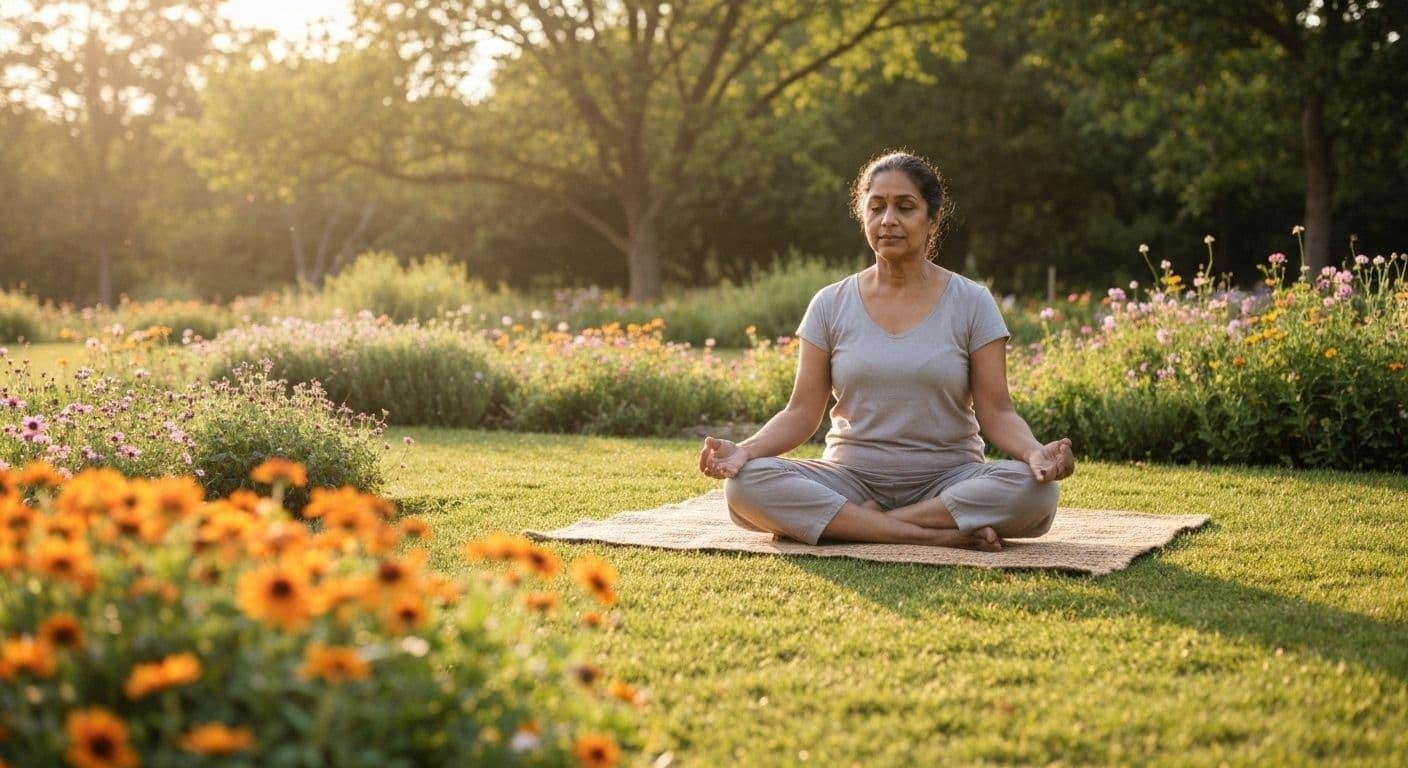
Mindfulness involves paying attention to present experiences without immediately judging them.
Meditation is one way to practice mindfulness and develop greater awareness of thoughts, breathing, and emotions.
Common techniques include guided meditation, breathing awareness, and body-awareness exercises.
These practices may help with stress management and emotional well-being. However, they should not be considered substitutes for professional mental healthcare when someone needs it.
2. Yoga and Gentle Movement
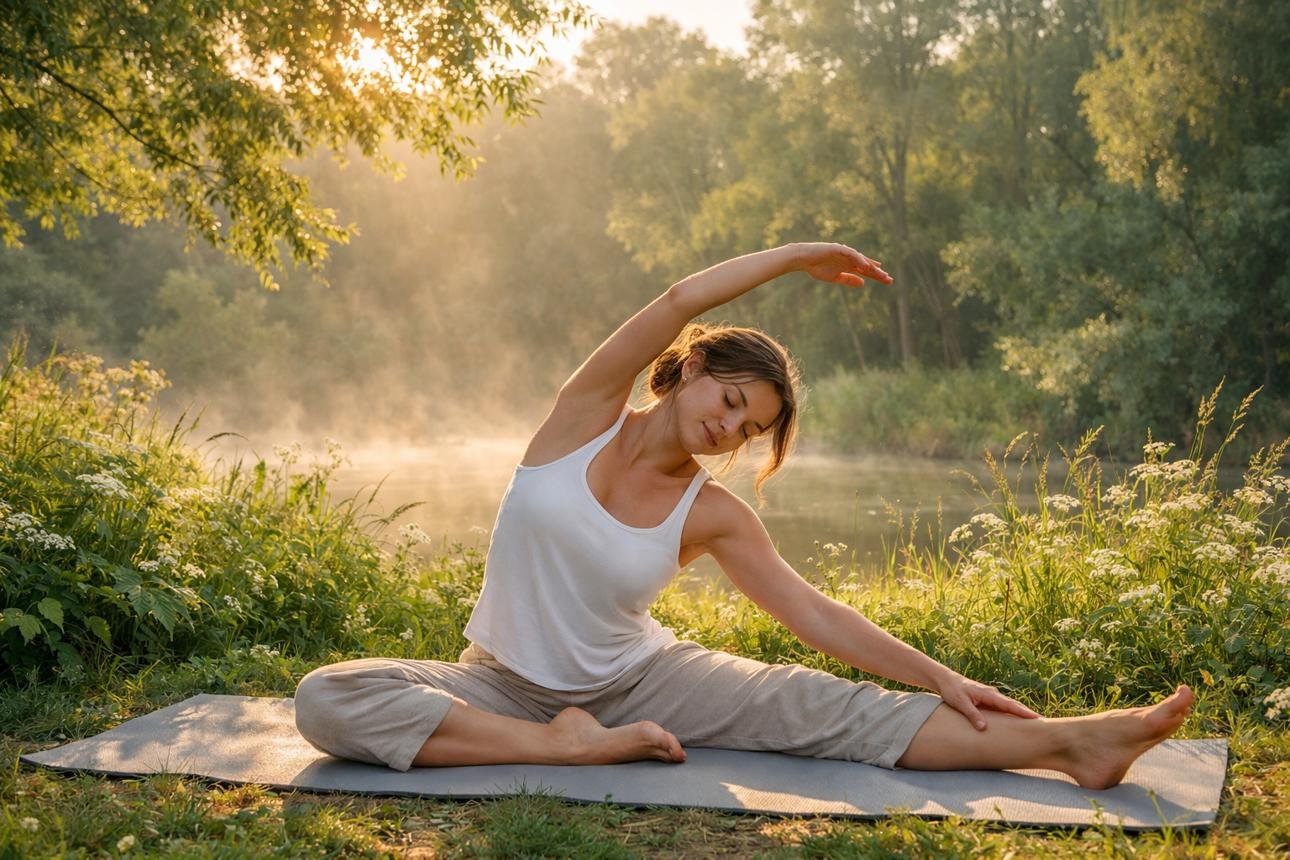
Yoga combines physical postures, breathing exercises, and elements of mental concentration.
Different forms of yoga vary in intensity and structure. Some emphasize gentle stretching, while others involve more physically demanding movements.
Appropriate yoga practice may support flexibility, balance, physical activity, and relaxation.
Beginners should choose suitable instruction and avoid movements that cause discomfort.
3. Traditional Healing Systems
Several traditional health systems use broader approaches to understanding wellness.
Examples include:
-
Ayurveda: A traditional Indian health system involving dietary principles, lifestyle practices, and traditional therapies.
-
Traditional Chinese medicine: A collection of traditional practices that may include acupuncture, tai chi, and herbal approaches.
-
Naturopathy: A broad approach emphasizing lifestyle and various natural health practices.
These systems have different histories and methods. Their individual treatments should be evaluated separately because traditional use does not automatically establish safety or effectiveness.
4. Massage and Physical Relaxation
Massage therapy involves manipulating soft tissues to promote relaxation and address certain physical discomforts.
Its potential usefulness depends on the technique, individual circumstances, and reason for treatment.
Massage should be performed by an appropriately trained professional, particularly when someone has an injury or underlying health concern.
5. Nutrition and Lifestyle Wellness
Nutrition is an important part of whole-person health.
A balanced diet provides essential nutrients that support normal body functions. Regular physical activity, adequate sleep, and healthy routines also contribute to general wellness.
However, restrictive diets, detox programs, and unverified supplements should not be presented as necessary components of holistic healing.
6. Energy-Based and Spiritual Wellness Practices
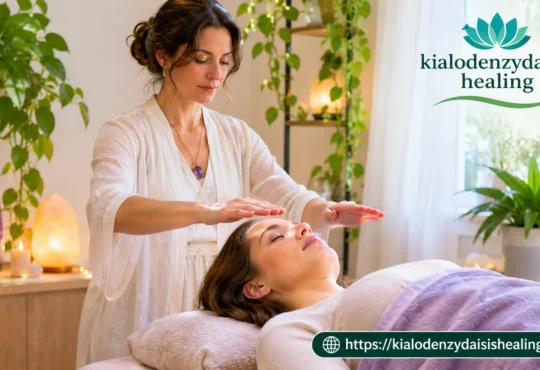
Practices such as Reiki, therapeutic touch, and certain forms of spiritual meditation are sometimes included in holistic wellness discussions.
They may be meaningful to individuals as personal or spiritual experiences.
However, claims that these practices can manipulate invisible energy fields to cure diseases have not been established by reliable scientific evidence. They should not replace medical assessment or treatment.
Useful Holistic Healing Techniques and Practical Tips
Holistic healing techniques vary depending on individual needs and the type of wellness approach being explored. Some focus on physical activity, while others emphasize mental relaxation, emotional awareness, or lifestyle improvements.
The following techniques are commonly discussed in holistic wellness.
Mindful Breathing
Mindful breathing involves paying attention to the natural rhythm of breathing. It can be incorporated into a daily relaxation routine and may help people manage everyday tension.
Guided Imagery
Guided imagery uses mental visualization to encourage relaxation. A person may imagine a peaceful environment while following spoken instructions or a recorded session.
Progressive Muscle Relaxation
This technique involves gently tensing and relaxing different muscle groups to develop awareness of physical tension.
Tai Chi
Tai chi is a traditional Chinese practice involving slow, controlled movements, balance, and focused attention. It is often used as a gentle form of physical activity.
Journaling and Emotional Reflection
Writing down thoughts, experiences, and feelings can help individuals recognize patterns in their daily lives and reflect on personal challenges.
Practical tips for beginners:
-
Start with simple, manageable wellness activities.
-
Choose practices that suit individual comfort and physical ability.
-
Avoid treatments that promise guaranteed cures.
-
Research the qualifications of any wellness practitioner.
-
Discuss complementary treatments with a healthcare professional.
-
Never stop prescribed medication without medical guidance.
-
Be cautious about supplements and herbal products because they can interact with medicines.
The NCCIH emphasizes that complementary products and practices have different safety considerations. Some supplements may interact with medications or contain undeclared ingredients.
NCCIH+1
Important Benefits and Applications of Holistic Healing
Holistic healing offers a framework for thinking about wellness beyond individual physical symptoms. Its potential benefits depend on the specific practices involved.
1. Encourages a Balanced Lifestyle
Holistic wellness highlights the importance of combining physical activity, nutrition, sleep, relaxation, and social connection.
For example, maintaining regular sleep habits while incorporating appropriate exercise can support general health.
2. Supports Stress Management
Relaxation techniques and mindfulness practices can provide practical tools for handling everyday pressures.
They may be useful alongside other appropriate forms of support.
3. Promotes Greater Self-Awareness
Reflective activities can help individuals recognize lifestyle patterns, emotional responses, and situations that affect their well-being.
4. Encourages Preventive Health Habits
Holistic approaches often emphasize healthy routines that contribute to long-term wellness.
These include balanced eating, regular movement, avoiding harmful habits, and attending appropriate health checkups.
5. Recognizes the Importance of Social Connections
Relationships and supportive communities can influence emotional and general well-being.
Maintaining healthy connections is therefore an important part of a whole-person approach.
6. Encourages Personalized Wellness
Different individuals have different needs, routines, preferences, and health circumstances.
A holistic perspective encourages wellness plans to consider these differences rather than assuming that one approach works equally well for everyone.
It is important to distinguish these general wellness benefits from claims that holistic healing independently treats or cures specific diseases.
Why Understanding the Limitations of Holistic Healing Matters
One of the most important aspects of holistic healing is understanding what it cannot do.
The term covers a wide range of practices, and scientific evidence varies considerably between them. Evidence supporting one practice cannot automatically be applied to every other treatment described as holistic.
There are several important limitations.
1. Not Every Practice Has Strong Scientific Evidence
Some wellness practices have been studied extensively, while others have limited or inconsistent research.
For example, mindfulness and physical activity have research supporting certain health and well-being outcomes. However, claims surrounding energy healing and other unproven therapies require much greater scientific scrutiny.
2. Holistic Healing Cannot Guarantee Disease Treatment
No responsible wellness approach should promise that every illness can be cured through meditation, natural remedies, energy balancing, or lifestyle changes.
Medical conditions require appropriate diagnosis and treatment.
3. Natural Does Not Always Mean Safe
Herbal products and natural supplements can produce side effects, interact with medicines, or vary in quality.
A product should not be considered safe simply because it comes from a plant or is marketed as natural.
4. Results May Differ Between Individuals
A technique that helps one person relax may not provide the same experience for another.
Factors such as health history, lifestyle, expectations, and the specific practice can influence individual experiences.
5. Qualified Guidance Is Important
Some complementary practices require specialized training.
Without appropriate qualifications, practitioners may misunderstand health conditions, make unsupported claims, or recommend unsuitable treatments.
The World Health Organization emphasizes that traditional and complementary medicine should be evaluated through scientific evidence, appropriate regulation, and attention to patient safety.
Common Mistakes and Challenges in Holistic Healing
People exploring holistic healing may encounter misleading information, unrealistic expectations, and confusion about different treatment options.
Understanding these mistakes can help them make more informed decisions.
Mistake 1: Believing every natural treatment is effective
Natural products are not automatically safe or scientifically proven. Every treatment needs to be evaluated individually.
Mistake 2: Expecting immediate results
Wellness habits generally require consistency. Meditation, physical activity, and improved sleep routines should not be viewed as instant solutions.
Mistake 3: Ignoring professional medical advice
One of the most serious mistakes is replacing necessary medical treatment with alternative therapies.
Complementary practices should not delay diagnosis or interfere with appropriate treatment.
Mistake 4: Following every wellness trend
Social media frequently promotes detox programs, miracle remedies, and unsupported healing claims.
People should check reliable sources before accepting health-related information.
Mistake 5: Using multiple supplements without guidance
Combining different herbal products and supplements may increase the possibility of interactions and unwanted effects.
Mistake 6: Treating emotional and physical health as completely separate
A whole-person perspective recognizes that different aspects of well-being can influence one another. However, persistent physical or emotional symptoms still deserve appropriate professional attention.
How to Build a Personal Holistic Wellness Routine
A practical holistic wellness routine should be realistic, flexible, and based on healthy habits rather than complicated treatments.
The following framework provides a starting point.
Step 1: Identify Personal Wellness Priorities
Consider which areas of daily life may need attention.
For example, someone might want to establish a more consistent sleep schedule, improve stress management, or become more physically active.
Step 2: Create a Balanced Daily Routine
Include basic habits that support overall health.
A routine may involve:
-
Eating regular, balanced meals.
-
Participating in suitable physical activity.
-
Maintaining a consistent sleep schedule.
-
Taking breaks from demanding activities.
-
Spending time with supportive people.
-
Making room for relaxation and enjoyable hobbies.
Step 3: Introduce One Mind-Body Practice
Choose one accessible activity, such as mindfulness, gentle stretching, or guided relaxation.
Starting with one practice makes it easier to understand whether it is useful and comfortable.
Step 4: Maintain Professional Healthcare Support
Regular healthcare appointments and appropriate medical assessments remain important.
If a complementary therapy is being considered, discuss its safety, possible interactions, and suitability with a qualified healthcare professional.
Step 5: Evaluate the Routine
Review whether the habits are practical and sustainable.
A wellness routine should support everyday functioning rather than create unnecessary pressure, financial expenses, or unrealistic expectations.
Step 6: Make Adjustments When Necessary
Personal circumstances change. A useful routine should adapt to changes in schedules, physical abilities, and individual needs.
The objective is to build sustainable habits that contribute to overall well-being.
Conclusion: A Balanced Perspective on Holistic Healing
Holistic healing provides a broader way to understand health by considering physical, mental, emotional, social, and environmental factors.
From mindfulness and yoga to nutrition, traditional wellness systems, and relaxation techniques, different holistic approaches offer various ways to explore personal well-being.
However, understanding their limitations is just as important as understanding their potential benefits. Not every holistic treatment has strong scientific evidence, and natural or alternative therapies are not automatically safe or effective.
The most responsible approach is to combine healthy lifestyle habits with appropriate, evidence-based healthcare. Complementary practices may have a place in an individual’s wellness routine when they are suitable, safe, and do not replace necessary medical treatment.
At Kialodenzydaisis Healing, exploring holistic wellness should begin with informed choices, realistic expectations, and a commitment to overall health. A balanced approach helps individuals understand their wellness needs while recognizing the importance of professional medical guidance.
Frequently Asked Questions About Holistic Healing
1. What is holistic healing in simple words?
Holistic healing is an approach to wellness that considers the complete person, including physical health, mental well-being, emotional health, lifestyle, and environment. It focuses on understanding how these areas are connected.
2. What are the main types of holistic healing?
Common categories include mindfulness, meditation, yoga, traditional healing systems, massage therapy, nutritional wellness, relaxation techniques, and spiritual practices.
3. What are the potential benefits of holistic healing?
Depending on the practice, holistic wellness approaches may support relaxation, stress management, physical activity, self-awareness, healthy lifestyle habits, and general well-being.
4. Is holistic healing scientifically proven?
There is scientific research supporting certain practices, including physical activity, mindfulness, and some mind-body interventions. However, evidence varies considerably across different holistic treatments. Some claims remain unproven.
5. Can holistic healing replace conventional medical treatment?
No. Holistic healing should not replace necessary medical diagnosis, prescribed medication, or evidence-based treatment. Complementary approaches may sometimes be used alongside conventional healthcare with professional guidance.
6. What is the difference between holistic healing and alternative medicine?
Holistic healing is a broad approach to understanding overall wellness. Alternative medicine refers to treatments used instead of conventional medical care. Complementary medicine, in contrast, is used alongside conventional healthcare.
7. Which holistic healing techniques are suitable for beginners?
Mindfulness, guided relaxation, gentle yoga, appropriate physical activity, and journaling are examples of accessible wellness practices. The right choice depends on individual circumstances and comfort.
8. Does holistic healing have any limitations?
Yes. Scientific evidence differs between treatments, results are not guaranteed, and some products or therapies may have safety concerns. Holistic healing cannot replace necessary medical treatment.
9. Is holistic healing the same as natural healing?
No. Although the terms are sometimes used together, they have different meanings. Holistic healing considers multiple aspects of well-being, while natural healing generally emphasizes natural products or approaches.
10. How can someone choose a safe holistic healing approach?
Individuals should research the specific practice, check practitioner qualifications, review available scientific evidence, and discuss potential risks with a qualified healthcare professional before beginning a complementary treatment.