









If you have recently come across the term kialodenzydaisis, you are not alone. Interest in this topic has grown significantly, leaving many people searching for accurate and easy-to-understand information. Since the term is still relatively new and not widely recognized in conventional medical literature, there is considerable confusion about what it means and how it may affect overall health.
This comprehensive guide explains everything currently known about kialodenzydaisis, including its possible causes, symptoms, diagnosis, management options, and lifestyle habits that may support overall wellness.
Trending Now: Kialodenzydaisis Healing
Understanding Kialodenzydaisis
Kialodenzydaisis is an emerging term that has appeared across various online discussions and health-related resources. However, there is currently limited scientific research available, and no universally accepted medical definition exists.
Because information surrounding kialodenzydaisis is still evolving, healthcare professionals recommend focusing on symptoms and obtaining proper medical evaluation rather than relying on self-diagnosis.
Next Topic: How Long Can I Live With Pavatalgia
What Is Kialodenzydaisis?
At present, kialodenzydaisis is generally described as a condition or collection of symptoms that may affect overall physical and mental well-being. Since research is still ongoing, experts have not yet established a precise definition.
Many sources discussing kialodenzydaisis emphasize that it should not be considered a confirmed diagnosis without professional assessment. Similar symptoms can often be associated with other underlying conditions that require medical attention.
Deep Dive: How Are Laturedrianeuro
Possible Causes of Kialodenzydaisis
Because there is limited scientific evidence, no single cause of kialodenzydaisis has been confirmed. However, several factors are frequently discussed.
Genetic Factors
Genetics influence many health conditions, and some researchers believe inherited characteristics may contribute to symptoms associated with kialodenzydaisis.
Possible genetic influences include:
- Immune system variations
- Cellular repair processes
- Metabolic differences
- Family health history
Although these theories remain under investigation, genetics may play an important role in overall susceptibility.
Health Insight: Is Zealpozold Safe To Use
Environmental Factors
Environmental exposures can affect the body’s normal functioning and may contribute to symptoms that some individuals associate with kialodenzydaisis.
Common environmental factors include:
- Air pollution
- Toxin exposure
- Poor dietary habits
- Sedentary lifestyle
- Long-term stress
Maintaining healthy daily habits may help minimize the impact of these external factors.
Medical Research: What Is Zytescintizivad
Chronic Stress
Long-term stress affects nearly every system within the body. Elevated stress levels can influence sleep quality, energy levels, and emotional well-being.
People experiencing chronic stress may notice:
- Fatigue
- Difficulty concentrating
- Irritability
- Sleep disturbances
- Reduced productivity
Stress management therefore becomes an important component of maintaining overall health.
Expert Review: Why Zytescintizivad Spread
Nutritional Deficiencies
Insufficient intake of essential vitamins and minerals can negatively affect physical performance and immune function.
Common nutrient deficiencies that may contribute to general health concerns include:
- Vitamin D deficiency
- Vitamin B12 deficiency
- Iron deficiency
- Magnesium deficiency
- Omega-3 fatty acid deficiency
A balanced diet helps support normal body functions and overall wellness.
Nutrition Guide: Body Nutrition Tips
How Is Kialodenzydaisis Diagnosed?
Diagnosing kialodenzydaisis can be challenging because there is currently no single test that can confirm the condition. Healthcare providers usually focus on ruling out other possible causes of similar symptoms.
The evaluation often begins with a detailed medical history. Doctors may review current symptoms, previous illnesses, medications, family history, and lifestyle habits to better understand the patient’s overall health.
A physical examination is also performed to assess factors such as blood pressure, heart rate, muscle strength, and joint mobility. This helps identify any noticeable abnormalities.
Blood tests may be recommended to check iron levels, vitamin deficiencies, blood sugar, thyroid function, and inflammatory markers.
In some cases, imaging studies such as X-rays, MRI scans, ultrasound examinations, or CT scans may be used to investigate underlying conditions and guide appropriate treatment.
Fitness Advice: Advice ThespoonAthletic
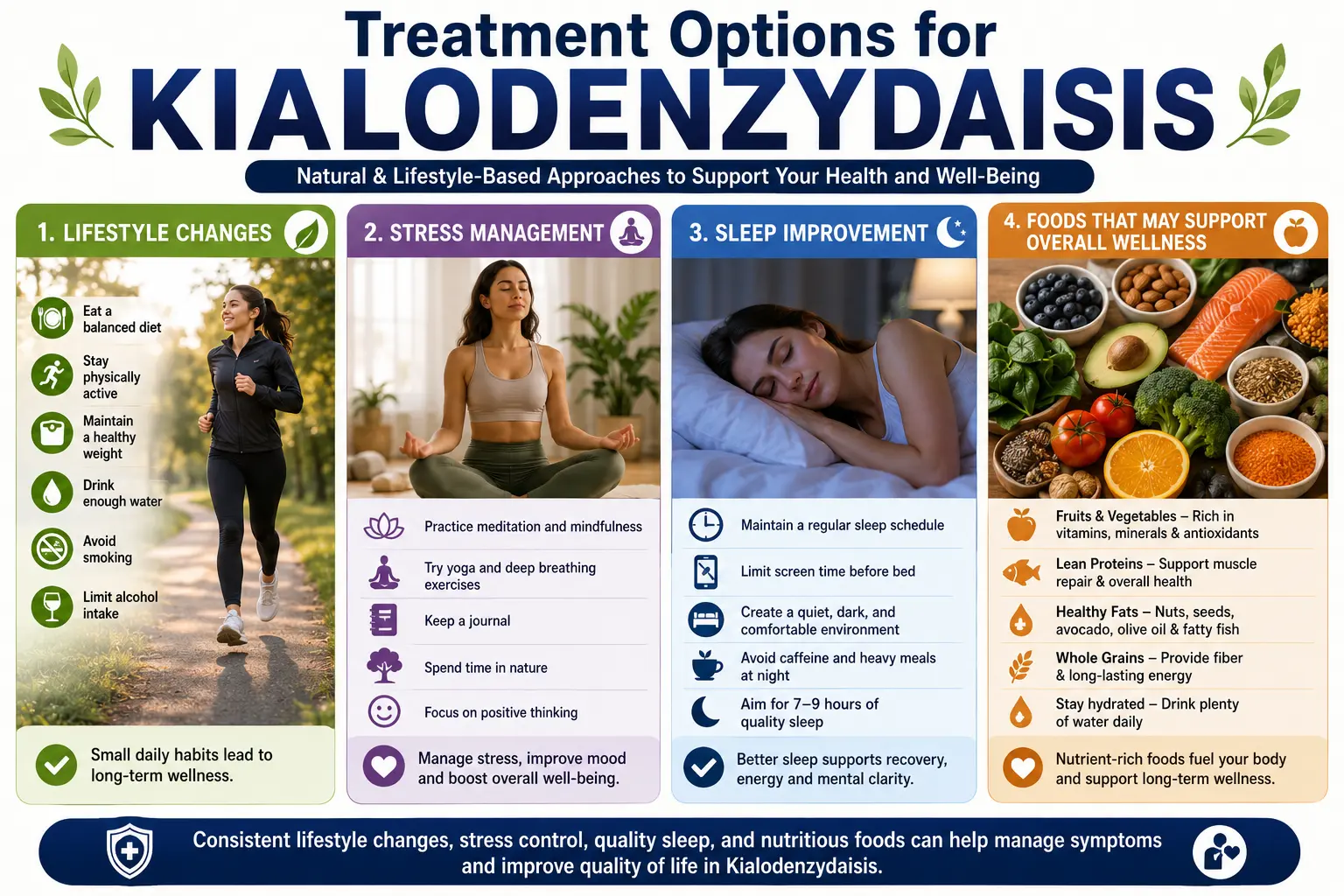
Treatment Options for Kialodenzydaisis
There is currently no universally accepted cure for kialodenzydaisis. Treatment primarily focuses on managing symptoms and improving overall quality of life. The most effective approach often involves a combination of healthy lifestyle habits and supportive care.
Lifestyle Changes
Healthy daily habits can play an important role in supporting physical and mental well-being. Small and consistent changes may provide long-term benefits.
Helpful lifestyle modifications include:
- Eating a balanced diet.
- Staying physically active.
- Maintaining a healthy weight.
- Drinking enough water.
- Avoiding smoking.
- Limiting alcohol intake.
Workout Tips: ThespoonAthletic Fitness Tips
Stress Management
Managing stress may help improve energy levels and emotional health. Relaxation techniques such as meditation, yoga, deep breathing exercises, journaling, and spending time in nature can help reduce stress and promote better sleep.
Performance Check: How To Check Body Fitness ThespoonAthletic
Sleep Improvement
Good sleep hygiene is essential for recovery and overall wellness. Maintaining a regular sleep schedule, limiting screen time before bed, and creating a quiet sleeping environment may help improve sleep quality.
Wellness Tip: Useful Advice JalbiteHealth
Foods That May Support Overall Wellness
A nutritious diet provides essential nutrients that support the body’s normal functions. Fruits and vegetables such as blueberries, oranges, spinach, broccoli, and carrots are rich in vitamins and antioxidants.
Lean protein sources including chicken, fish, eggs, beans, and lentils help support muscle maintenance and tissue repair. Healthy fats from olive oil, nuts, seeds, avocados, and fatty fish are important for heart and brain health, while whole grains like brown rice, oats, quinoa, and whole wheat bread provide fiber and long-lasting energy.
Healthy Living: JalbiteHealth Help
Can Exercise Help Kialodenzydaisis?
Regular physical activity supports both physical and mental health and may help manage some symptoms associated with kialodenzydaisis. While exercise is not considered a cure, staying active can contribute to improved overall well-being.
Health Alert: Kialodenzydaisis
Suitable forms of exercise include:
- Walking
- Swimming
- Cycling
- Stretching
- Strength training
- Yoga
Regular exercise may help improve mood, increase energy levels, support healthy weight management, enhance sleep quality, and reduce stress. Individuals experiencing severe symptoms should consult a healthcare professional before starting a new exercise program.
Lifestyle Guide: JalbiteHealth Guide
Natural Wellness Approaches
Some people explore complementary wellness practices alongside conventional medical care to support overall health and symptom management.
Herbal Support
Several herbs are commonly used to promote general wellness and relaxation. Popular examples include ginger, turmeric, chamomile, and peppermint. Although these herbs may support digestive health and stress reduction, scientific evidence regarding kialodenzydaisis remains limited.
Daily Wellness: WutawHealth Wellness
Mindfulness Practices
Mindfulness techniques such as meditation and breathing exercises may help reduce stress, improve focus, promote emotional balance, and encourage relaxation. These practices can be beneficial for maintaining overall mental well-being.
Expert Advice: Kialodenzydaisis Healing Work
Massage Therapy
Massage therapy may help relieve muscle tension, improve circulation, promote relaxation, and support stress management. Some individuals find it helpful for improving comfort and quality of life.
Lifestyle Upgrade: WutawHealth
Complications of Untreated Symptoms
Ignoring persistent symptoms associated with kialodenzydaisis may negatively affect daily life and overall well-being. Over time, untreated symptoms can contribute to chronic fatigue, reduced productivity, sleep disturbances, emotional stress, physical discomfort, and a lower quality of life. Early evaluation can help identify underlying causes and support appropriate management.
Skincare Pick: Amaira Natural Lightening Serum Reviews
Prevention Strategies
Although there is no guaranteed way to prevent kialodenzydaisis, healthy lifestyle habits may support long-term wellness and reduce the risk of chronic health problems.
Helpful prevention strategies include:
- Eating nutrient-rich foods.
- Staying physically active.
- Maintaining a healthy body weight.
- Prioritizing quality sleep.
- Managing stress effectively.
- Staying properly hydrated.
- Scheduling regular medical checkups.
- Avoiding smoking and excessive alcohol consumption.
Consistency in maintaining healthy habits is often more important than perfection and can contribute significantly to overall health and quality of life.
Product Review: Cilxarhu677 Moisturizer Review
When Should You See a Doctor for Kialodenzydaisis?
While mild symptoms may sometimes improve with rest and healthy lifestyle changes, persistent or worsening symptoms should never be ignored. Seeking medical advice can help identify underlying health conditions and ensure you receive appropriate care.
Wellness Tip: benefits of kialodenzydaisis healing
You Should Consult a Doctor If Your Symptoms:
- Continue for several weeks without improvement.
- Become progressively worse over time.
- Interfere with work, school, or daily activities.
- Cause persistent fatigue despite adequate rest.
- Include unexplained weight loss.
- Lead to ongoing muscle or joint pain.
- Affect your ability to concentrate or think clearly.
- Cause frequent sleep disturbances.
- Result in digestive issues that do not improve.
- Trigger significant mood changes, anxiety, or depression.
Health Facts: Does Dwight Yoakam Have Any Disease
Frequently Asked Questions
Is Kialodenzydaisis a Real Disease?
At present, kialodenzydaisis is not widely recognized by major medical organizations, and scientific information remains limited. More research is needed to understand its exact nature.
Performance Guide: history and origins of kialodenzydaisis healing
What Causes Kialodenzydaisis?
The exact cause remains unknown. Potential contributing factors may include genetics, environmental influences, stress, and nutritional deficiencies.
Is There a Cure for Kialodenzydaisis?
There is currently no established cure. Treatment generally focuses on managing symptoms and promoting overall health.
Recommended Reading: TimesHealthMag.com
Final Thoughts
Interest in kialodenzydaisis continues to grow, but scientific understanding remains limited. While researchers continue to investigate its causes and characteristics, maintaining healthy lifestyle habits and seeking professional medical advice remain the most reliable approaches.
By focusing on:
- Balanced nutrition
- Regular exercise
- Quality sleep
- Stress management
- Routine health checkups
individuals can support overall well-being and address symptoms more effectively. As future research develops, our understanding of kialodenzydaisis may become clearer, providing more evidence-based guidance for those seeking answers.
Health Alert: Medicine for Kialodenzydaisis Healing









Discussion about this post