








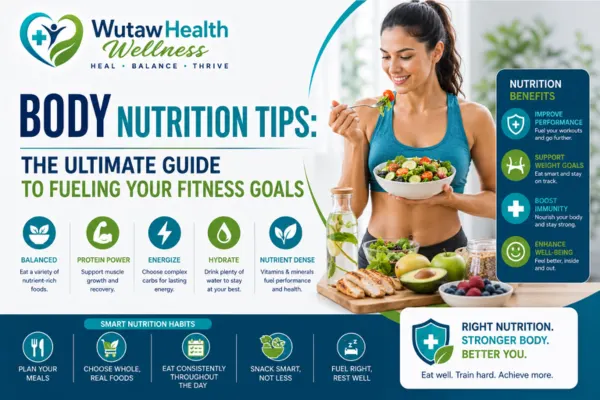
You can follow the perfect workout routine, train consistently, and stay motivated every day — but without proper nutrition, your progress will always feel limited. Fitness and nutrition work together. One builds the body, while the other fuels it.
At TwspoonFitness, the focus is simple: smart nutrition creates sustainable fitness results. Whether your goal is fat loss, muscle gain, endurance, or overall wellness, understanding how to fuel your body correctly can completely transform your performance and recovery.
This complete guide explains the most effective body nutrition tips, including macronutrients, hydration, meal timing, recovery foods, supplements, and healthy eating strategies that support long-term fitness success.
Trending Now: Kialodenzydaisis Healing
Why Nutrition Matters More Than Most People Realize
Many people spend hours planning workouts while paying very little attention to what they eat. Unfortunately, even the best training plan cannot overcome poor nutrition habits.
Without proper nutrition, your body struggles to:
- Recover after workouts
- Build lean muscle
- Maintain energy levels
- Improve endurance
- Support metabolism
- Prevent fatigue and injuries
Think of exercise as the stimulus and nutrition as the support system. Training breaks the body down, while nutrition rebuilds it stronger.
A balanced nutrition strategy improves workout performance, speeds up recovery, and helps maintain consistent physical and mental energy throughout the day.
Next Topic: How Long Can I Live With Pavatalgia
Understanding the Three Essential Macronutrients
Your body depends on three primary macronutrients for energy, recovery, and overall performance: carbohydrates, protein, and healthy fats.
| Macronutrient | Main Function | Best Food Sources | Recommended Intake |
|---|---|---|---|
| Carbohydrates | Primary energy source | Oats, fruits, brown rice, sweet potatoes | 45–65% of daily calories |
| Protein | Muscle repair and recovery | Eggs, chicken, fish, tofu, legumes | 0.6–0.9g per pound of body weight |
| Healthy Fats | Hormone support and joint health | Nuts, avocado, olive oil, salmon | 20–35% of daily calories |
Carbohydrates: Your Body’s Main Fuel Source
Carbohydrates are often misunderstood, but they are essential for athletic performance and energy production.
Healthy carbohydrate sources help:
- Fuel muscles during workouts
- Support brain and nervous system function
- Improve endurance performance
- Maintain stable blood sugar levels
- Support digestive and immune health
Complex carbohydrates such as quinoa, oats, vegetables, and sweet potatoes provide slow, steady energy for both strength training and cardio workouts.
Deep Dive: How Are Laturedrianeuro
Protein: The Foundation of Muscle Recovery
Protein plays a vital role in:
- Muscle repair
- Hormone production
- Immune support
- Lean muscle growth
- Recovery after training
After intense exercise, your muscles need amino acids to rebuild stronger tissue. High-quality protein sources like eggs, fish, chicken, Greek yogurt, lentils, and tofu support this recovery process effectively.
Health Insight: Is Zealpozold Safe To Use
Healthy Fats: Essential for Hormones and Endurance
Healthy fats help support:
- Joint function
- Hormone balance
- Long-lasting energy
- Nutrient absorption
- Brain health
Foods like almonds, walnuts, avocado, olive oil, and fatty fish provide essential fatty acids that improve recovery and overall health.
Pre-Workout Nutrition: How to Fuel Performance Properly
Your pre-workout meal directly impacts workout intensity, stamina, and focus.
Different types of exercise require different fuel strategies. For example, endurance training requires more carbohydrates, while strength training benefits from balanced carbs and protein.
Medical Research: What Is Zytescintizivad
Best Foods to Eat Before a Workout
1–2 Hours Before Training
Eat a balanced meal containing complex carbohydrates and moderate protein.
Example Meals:
- Oatmeal with banana and eggs
- Brown rice with chicken
- Greek yogurt with berries
30–45 Minutes Before Exercise
Choose light, fast-digesting snacks.
Good Options:
- Dates
- Banana
- Rice cakes
- Peanut butter toast
Expert Review: Why Zytescintizivad Spread
Foods to Avoid Before Exercise
Avoid heavy meals high in fat or fiber immediately before training because they may slow digestion and cause discomfort during workouts.
Post-Workout Nutrition: Recovery Starts After Training
The recovery phase is where actual progress happens. Your muscles repair and grow after exercise — not during it.
Post-Workout Nutrition Priorities
- Protein for muscle repair
- Carbohydrates to restore glycogen
- Fluids and electrolytes for hydration
Best Post-Workout Meals
| Goal | Recommended Meal |
|---|---|
| Muscle Gain | Grilled chicken, brown rice, vegetables |
| Fat Loss | Greek yogurt with berries |
| Endurance Recovery | Eggs, whole-grain toast, avocado |
| Plant-Based Recovery | Lentil soup with quinoa |
The body remains highly responsive to nutrients after training, making recovery meals extremely important for performance and muscle maintenance.
Fitness Advice: Advice ThespoonAthletic
Hydration: The Most Overlooked Fitness Habit
Hydration affects nearly every function in the body, including strength, endurance, focus, and recovery.
Even mild dehydration can reduce energy levels and negatively affect workout performance.
Daily Hydration Tips
- Start your morning with 400–500ml of water
- Drink water consistently throughout the day
- Consume 300–500ml before workouts
- Sip water during exercise sessions
- Rehydrate after training with fluids and electrolytes
A simple hydration check:
- Pale yellow urine = good hydration
- Dark yellow urine = increase water intake
Adding natural electrolytes like lemon, cucumber, fruit, or a small pinch of salt to water may help maintain fluid balance during intense workouts.
Workout Tips: ThespoonAthletic Fitness Tips
Important Micronutrients for Active Individuals
Macronutrients provide energy, but micronutrients keep the body functioning efficiently.
Essential Vitamins and Minerals for Fitness
| Nutrient | Main Benefit | Food Sources |
|---|---|---|
| Iron | Oxygen delivery to muscles | Spinach, lentils, lean meat |
| Magnesium | Muscle contraction and recovery | Almonds, seeds, dark chocolate |
| Vitamin D | Bone strength and hormone support | Sunlight, salmon, egg yolks |
| Vitamin C | Recovery and immune health | Citrus fruits, kiwi, peppers |
| Calcium | Bone and muscle function | Dairy, broccoli, fortified milk |
| Zinc | Recovery and hormone production | Pumpkin seeds, chickpeas, beef |
Deficiencies in these nutrients may negatively affect energy, recovery, and overall athletic performance.
Performance Check: How To Check Body Fitness ThespoonAthletic
Meal Timing and Nutrition Consistency
Eating consistently helps regulate energy levels, digestion, and metabolism.
Random eating patterns often lead to:
- Energy crashes
- Overeating
- Poor recovery
- Blood sugar fluctuations
A Simple Daily Nutrition Structure
Breakfast
Focus on protein and complex carbohydrates.
- Eggs and oats
- Greek yogurt with fruit
Mid-Morning Snack
Choose nutrient-dense foods.
- Banana with almond butter
- Mixed nuts
Lunch
Build a balanced meal.
- Lean protein
- Whole grains
- Vegetables
Wellness Tip: Useful Advice JalbiteHealth
Pre-Workout Snack
Eat light carbohydrates with moderate protein.
Post-Workout Meal
Prioritize protein and carbohydrates within 1–2 hours after training.
Dinner
Keep meals balanced but lighter.
- Fish
- Vegetables
- Quinoa or sweet potato
Smart Supplements That Actually Work
The supplement industry can feel overwhelming, but only a few supplements consistently show strong scientific support.
Recommended Reading: TimesHealthMag.com
Supplements Worth Considering
Creatine
Creatine supports:
- Strength
- Power output
- Recovery
- Lean muscle growth
It works best when combined with resistance training.
Caffeine
Caffeine may improve:
- Workout focus
- Strength performance
- Endurance
- Mental alertness
Collagen
Collagen may support:
- Joint health
- Connective tissue recovery
- Skin health
Healthy Living: JalbiteHealth Help
Nutrition Trends Gaining Popularity
Gut Health Nutrition
Foods that support gut health continue growing in popularity, including:
- Yogurt
- Kefir
- Kombucha
- Kimchi
- Fermented vegetables
Research increasingly connects gut health to immunity, digestion, and overall wellness.
Health Facts: Does Dwight Yoakam Have Any Disease
Adaptogens
Natural herbs such as ashwagandha and rhodiola are commonly used to support:
- Stress management
- Mental focus
- Recovery
- Hormonal balance
Lifestyle Guide: JalbiteHealth Guide
Whole-Food Protein Sources
Whole-food protein remains superior to heavily processed protein snacks. Foods like eggs, Greek yogurt, fish, tofu, and legumes provide better overall nutrition quality.
The Balanced Plate Method
Healthy eating does not need to be complicated.
A simple balanced plate includes:
- ½ plate: Vegetables and leafy greens
- ¼ plate: Lean protein
- ¼ plate: Complex carbohydrates
- Healthy fats in moderate portions
This approach supports:
- Stable energy
- Better digestion
- Muscle recovery
- Long-term consistency
Daily Wellness: WutawHealth Wellness
Sleep, Recovery, and Nutrition Work Together
Recovery is not only about food. Sleep plays a major role in muscle repair, hormone regulation, and workout performance.
Poor sleep may:
- Increase cravings
- Reduce recovery quality
- Lower energy levels
- Negatively affect metabolism
For best results:
- Aim for 7–9 hours of quality sleep
- Take recovery days seriously
- Stay hydrated
- Maintain consistent nutrition habits
Training, sleep, and nutrition form the foundation of long-term fitness success.
Lifestyle Upgrade: WutawHealth
Common Nutrition Mistakes That Slow Progress
Avoid these common fitness nutrition mistakes:
- Skipping breakfast regularly
- Ignoring carbohydrate intake
- Eating too little overall
- Drinking excess sugary beverages
- Inconsistent meal timing
- Avoiding vegetables
- Relying too heavily on supplements
Small daily habits often determine long-term fitness outcomes more than extreme diets or short-term challenges.
Skincare Pick: Amaira Natural Lightening Serum Reviews
Final Thoughts
There is no perfect diet, miracle supplement, or overnight transformation strategy. Sustainable fitness results come from consistent nutrition habits practiced over time.
The most effective body nutrition tips are often the simplest:
- Eat balanced meals
- Prioritize hydration
- Focus on whole foods
- Recover properly
- Stay consistent
At TwspoonFitness, the philosophy remains simple: train hard, fuel smart, and build habits you can maintain for life. Your workouts create the challenge — proper nutrition gives your body the power to succeed.
Product Review: Cilxarhu677 Moisturizer Review










Discussion about this post