








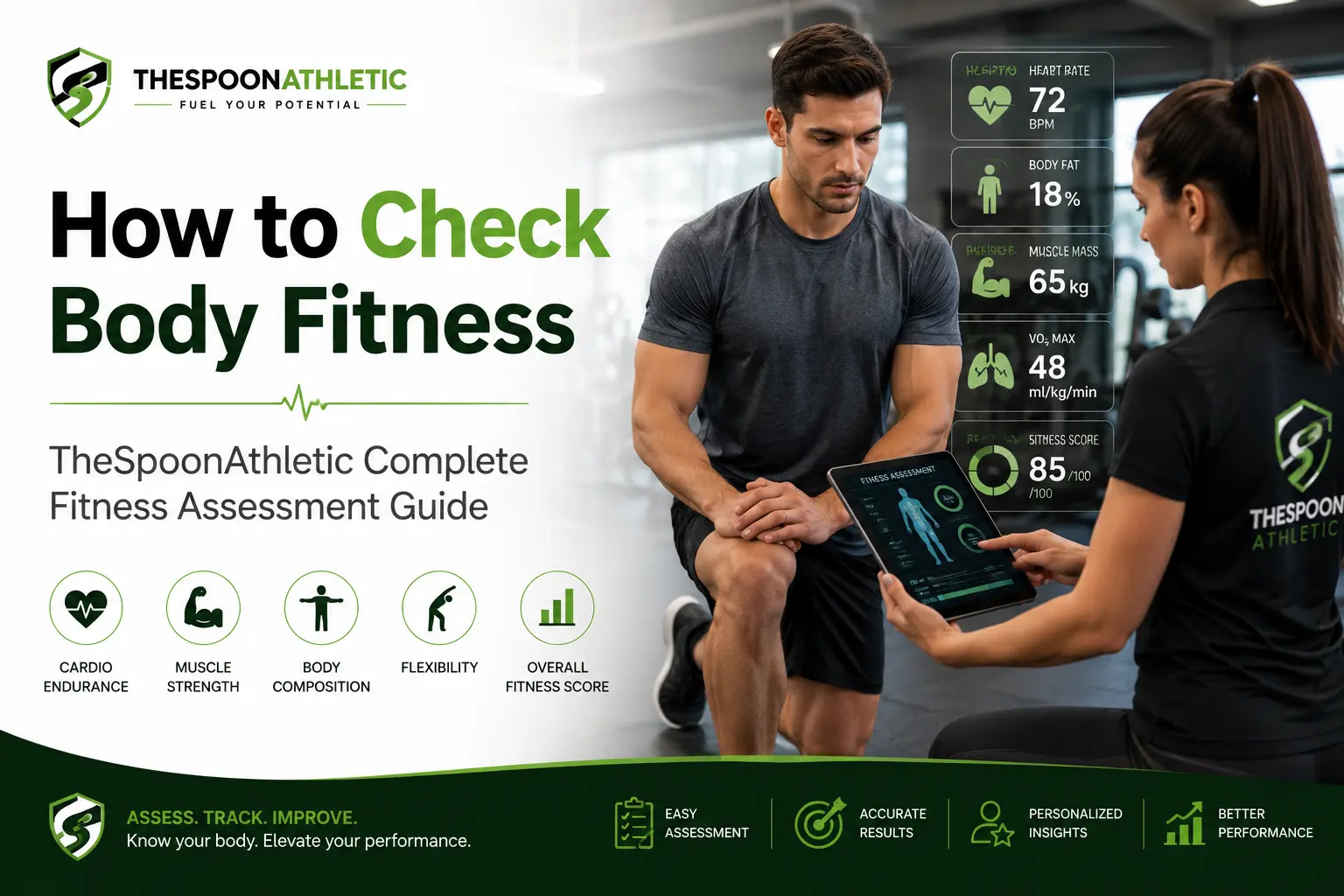
How to Check Body Fitness: TheSpoonAthletic Complete Guide
Understanding your body fitness level is one of the most important steps toward achieving better health and wellness. Many people start exercising without knowing their current fitness condition, which can make it difficult to track progress or set realistic goals.
TheSpoonAthletic fitness philosophy focuses on balanced health, including strength, endurance, flexibility, mobility, body composition, and mental wellness. Checking your body fitness helps you understand how healthy and physically active your body truly is.
Whether your goal is weight loss, muscle building, athletic performance, or overall wellness, this detailed guide explains how to check body fitness properly using simple and effective methods.
Trending Now: Kialodenzydaisis Healing
What Does Body Fitness Mean?
Body fitness refers to your body’s ability to perform physical activities efficiently without excessive fatigue. A fit body has:
- Good strength
- Healthy endurance
- Proper flexibility
- Balanced body composition
- Strong heart and lungs
- Good mobility
- Physical energy
- Mental stamina
Fitness is not only about appearance. A person may look healthy but still struggle with endurance, flexibility, or cardiovascular health.
Next Topic: How Long Can I Live With Pavatalgia
Why Checking Body Fitness is Important
Assessing your fitness level helps you:
- Understand your current health condition
- Identify physical weaknesses
- Track fitness progress
- Prevent injuries
- Improve workout planning
- Set realistic health goals
Regular fitness assessments also help detect lifestyle-related health risks early.
Deep Dive: How Are Laturedrianeuro
Main Components of Body Fitness
TheSpoonAthletic approach divides fitness into several important categories.
1. Cardiovascular Endurance
Measures how efficiently your heart and lungs supply oxygen during physical activity.
2. Muscular Strength
Determines how much force your muscles can produce.
3. Muscular Endurance
Measures how long muscles can perform repeated movements.
4. Flexibility
Shows how well your joints and muscles move.
5. Body Composition
Measures body fat, muscle mass, and overall body balance.
6. Balance and Mobility
Indicates coordination, stability, and movement quality.
All these factors together determine overall body fitness.
Health Insight: Is Zealpozold Safe To Use
How to Check Body Fitness at Home
You do not always need expensive gym equipment or professional testing. Many fitness assessments can be done at home.
1. Check Your Resting Heart Rate
Your resting heart rate indicates cardiovascular fitness.
How to Measure
- Sit calmly for 5 minutes
- Place fingers on your wrist or neck
- Count beats for 60 seconds
Healthy Resting Heart Rate
- Athletes: 40–60 BPM
- Average adults: 60–100 BPM
Lower resting heart rates usually indicate better cardiovascular fitness.
Medical Research: What Is Zytescintizivad
2. Measure Body Mass Index (BMI)
BMI estimates body weight relative to height.
BMI Formula
BMI = \frac{weight\ (kg)}{height^2\ (m^2)}
BMI Categories
- Underweight: Below 18.5
- Normal: 18.5–24.9
- Overweight: 25–29.9
- Obese: 30+
BMI is useful, but it does not measure muscle mass accurately.
Expert Review: Why Zytescintizivad Spread
3. Check Body Fat Percentage
Body fat percentage is more accurate than weight alone.
Healthy Body Fat Ranges
Men
- Athletes: 6–13%
- Fitness: 14–17%
- Average: 18–24%
Women
- Athletes: 14–20%
- Fitness: 21–24%
- Average: 25–31%
High body fat levels increase the risk of chronic diseases.
Nutrition Guide: Body Nutrition Tips
4. Test Cardiovascular Endurance
Cardio fitness measures how efficiently your heart and lungs work during exercise.
Walking or Running Test
Simple 1-Mile Walk Test
- Walk one mile as fast as possible
- Record your time and heart rate afterward
Better endurance usually means:
- Faster completion time
- Lower recovery heart rate
Fitness Advice: Advice ThespoonAthletic
5. Push-Up Test for Upper Body Strength
Push-ups help measure muscular strength and endurance.
How to Perform
- Maintain proper body alignment
- Perform as many push-ups as possible without stopping
Average Fitness Levels
Men
- Excellent: 40+ push-ups
- Average: 20–30
Women
- Excellent: 30+ push-ups
- Average: 10–20
Push-ups test chest, shoulder, arm, and core strength.
Workout Tips: ThespoonAthletic Fitness Tips
6. Plank Test for Core Strength
Core fitness supports posture, stability, and injury prevention.
How to Perform
- Hold a forearm plank position
- Keep body straight
Fitness Benchmarks
- Beginner: 20–30 seconds
- Intermediate: 1 minute
- Advanced: 2+ minutes
Strong core muscles improve overall athletic performance.
Recommended Reading: TimesHealthMag.com
7. Squat Test for Lower Body Fitness
Squats evaluate leg strength, mobility, and balance.
What to Observe
- Knee stability
- Balance control
- Hip mobility
- Posture alignment
Difficulty performing squats may indicate weak muscles or poor mobility.
8. Flexibility Test
Flexibility reduces injury risk and improves movement quality.
Sit-and-Reach Test
- Sit with legs straight
- Reach toward your toes
Good flexibility supports:
- Better posture
- Improved mobility
- Reduced muscle stiffness
Wellness Tip: Useful Advice JalbiteHealth
9. Balance Test
Balance is essential for coordination and injury prevention.
Simple One-Leg Test
- Stand on one leg
- Measure how long you can balance
Poor balance may indicate weak stabilizing muscles or mobility limitations.
10. Recovery Rate Test
Recovery speed indicates cardiovascular efficiency.
How to Test
- Perform 1 minute of jumping jacks
- Measure heart rate immediately
- Measure again after 1 minute
Faster recovery usually means better cardiovascular fitness.
Healthy Living: JalbiteHealth Help
Signs of Good Body Fitness
A fit body usually demonstrates:
- Stable energy levels
- Healthy body composition
- Good stamina
- Better sleep quality
- Strong muscles
- Healthy posture
- Quick recovery after exercise
Fitness also improves mental clarity and emotional wellness.
Signs Your Fitness Needs Improvement
Common signs include:
- Constant fatigue
- Shortness of breath
- Poor flexibility
- Weak strength
- Excess body fat
- Poor posture
- Slow recovery
- Lack of endurance
Recognizing these signs helps you focus on improvement areas.
Lifestyle Guide: JalbiteHealth Guide
How to Improve Body Fitness
TheSpoonAthletic approach focuses on balanced improvement instead of extreme routines.
1. Exercise Consistently
Aim for:
- Strength training
- Cardio workouts
- Mobility exercises
- Stretching routines
Consistency matters more than intensity.
2. Improve Nutrition
Eat:
- Lean proteins
- Whole grains
- Fruits and vegetables
- Healthy fats
Avoid excessive processed foods and sugary drinks.
3. Sleep Properly
Sleep supports:
- Muscle recovery
- Hormone balance
- Mental clarity
- Energy production
Adults should sleep 7–8 hours daily.
4. Stay Hydrated
Hydration improves:
- Muscle function
- Endurance
- Digestion
- Recovery
Drink enough water throughout the day.
Health Facts: Does Dwight Yoakam Have Any Disease
5. Reduce Stress
Chronic stress negatively affects fitness and recovery.
Stress Management Methods
- Meditation
- Yoga
- Deep breathing
- Outdoor activities
Mental wellness directly impacts physical performance.
Daily Wellness: WutawHealth Wellness
Common Fitness Mistakes to Avoid
Overtraining
Too much exercise without rest can lead to injuries.
Ignoring Recovery
Recovery is essential for muscle repair and growth.
Poor Nutrition
Unhealthy diets limit progress.
Inconsistent Workouts
Irregular training slows improvement.
Unrealistic Expectations
Fitness takes time and patience.
Fitness Trends in 2026
Modern fitness trends focus on:
- Functional training
- Personalized workouts
- Wearable fitness technology
- Home fitness programs
- Holistic wellness
- Recovery optimization
People are now prioritizing sustainable long-term health.
Lifestyle Upgrade: WutawHealth
Frequently Asked Questions (FAQs)
How can I check my body fitness at home?
You can test body fitness using push-ups, planks, flexibility tests, heart rate monitoring, walking tests, and body composition assessments.
What is the most important fitness measurement?
Overall fitness includes strength, endurance, flexibility, mobility, and cardiovascular health.
How often should I assess fitness levels?
Checking fitness every 4–8 weeks helps track progress effectively.
Is BMI enough to measure fitness?
No. BMI does not measure muscle mass, flexibility, endurance, or strength.
How long does it take to improve body fitness?
Visible improvements often appear within a few weeks of consistent training and healthy habits.
Skincare Pick: Amaira Natural Lightening Serum Reviews
Conclusion
Checking body fitness is an important step toward understanding your health, tracking progress, and improving overall wellness. TheSpoonAthletic fitness approach emphasizes balanced physical development through strength, endurance, flexibility, mobility, nutrition, recovery, and mental wellness.
Fitness is not only about appearance. True fitness means having the energy, strength, mobility, and endurance to live a healthy and active life.
By regularly assessing your body fitness and following healthy lifestyle habits, you can improve physical performance, reduce health risks, and build long-term wellness naturally.
Product Review: Cilxarhu677 Moisturizer Review









Discussion about this post